
BLOG
Qarddin Token: The Next Big Thing In Decentralized Finance


Decentralized finance, or DeFi, has disrupted traditional financial systems by offering innovative ways to manage, invest, and access capital. At the forefront of this transformation is the Qarddin Token, a cryptocurrency designed to reshape DeFi as we know it.
Whether you’re already invested in crypto or considering taking the leap, this blog will break down everything you need to know about Qarddin Token, from its unique features to its potential role in the future of DeFi.
What is the Qarddin Token?
The Qarddin Token (QDN) is a next-generation digital asset that fuels the Qarddin ecosystem, a decentralized financial platform offering smart contract capabilities, staking benefits, and governance rights. QDN aims to simplify DeFi for users, lowering barriers to entry for those new to cryptocurrencies while providing innovative features for seasoned investors.
But what sets it apart from the flood of tokens released each year? Qarddin isn’t just another crypto; it’s a carefully designed ecosystem that targets real-world financial problems, such as accessibility, transparency, and scalability.
Why Qarddin Token Stands Out
Unlike many other cryptocurrencies primarily focusing on speculative value and short-term gains, Qarddin Token brings features designed for real utility and long-term impact.
1. Strong Governance Model
The Qarddin Token promotes community ownership through its governance model. Holders of QDN actively participate in shaping the ecosystem’s roadmap by voting on proposed updates and initiatives. This ensures that the platform evolves according to the needs and preferences of its users.
2. Built for Accessibility
One of the primary goals of Qarddin is to make DeFi accessible for everyone. While traditional financial systems often exclude people due to geographical limitations or complex processes, the Qarddin platform operates without borders. Its intuitive interface and educational resources empower users of all levels to engage in DeFi with ease.
3. Innovative Staking Mechanism
Qarddin offers a staking program, allowing investors to lock their tokens in exchange for attractive rewards. But what makes its staking different? The Qarddin platform uses an adaptive staking model in which returns are adjusted based on market conditions and platform growth. This creates both stability and sustainability in an otherwise volatile market.
4. Advanced Security Features
Security is a top concern for DeFi users, and rightfully so. Qarddin utilizes state-of-the-art security protocols, such as multi-signature wallets and decentralized storage, to protect user funds. Additionally, its smart contracts are audited regularly to mitigate the risk of vulnerabilities.
5. Energy Efficiency
Acknowledging the growing concerns about cryptocurrency’s environmental impact, Qarddin has adopted a Proof-of-Stake (PoS) mechanism instead of the more resource-intensive Proof-of-Work (PoW). This makes Qarddin an eco-friendly option for those concerned about sustainability.
The Role of Qarddin Token in DeFi
The mission of the Qarddin Token is far from limited to enabling transactions. By positioning itself as a multi-functional asset within its ecosystem, Qarddin benefits users across several areas of decentralized finance.
Expanding Financial Inclusion
Globally, 1.7 billion individuals lack access to traditional banking services. By using blockchain technology to remove intermediaries, Qarddin empowers unbanked populations with tools for savings, borrowing, and investing—all accessible via a smartphone.
Enhancing Transparency
DeFi has gained massive popularity because of its core principle of transparency, and Qarddin takes this one step further. Transactions on the Qarddin blockchain are entirely traceable, ensuring that every transaction can be verified in real time.
Leading Innovation in Smart Contracts
Qarddin is particularly promising for businesses and developers. Its advanced smart contract capabilities enable automated, tamper-proof agreements that remove the need for traditional legal and financial intermediaries. These range from loan agreements to supply chain management, paving the way for broader blockchain adoption.
Encouraging Future Innovation
Qarddin isn’t just a token; it’s a platform for building new decentralized applications (dApps). Think decentralized exchanges (DEXs), lending platforms, or even NFTs. Developers have the freedom to design tools on Qarddin’s blockchain, creating a ripple effect of innovation.
Why Now is the Time to Watch Qarddin
Qarddin Token has entered the market at a critical time when digital assets are becoming more mainstream. Its unique features, aligned with growing demand for secure, efficient, and inclusive financial services, position it as one of the most exciting projects in the DeFi space.
Several key indicators support the potential of Qarddin Token as a game-changer:
- Strategic Partnerships: It’s forming alliances with key players in tech and finance, further validating its capabilities.
- Growing Community: The adoption rate of Qarddin’s platform continues to rise, highlighting trust and acceptance from its user base.
- Roadmap Transparency: Unlike projects that keep users guessing, Qarddin shares a well-documented roadmap, giving investors clarity.
How to Get Started with Qarddin Token
Excited to be part of the Qarddin revolution? Here’s how you can get started!
1. Create a Wallet
First, set up a crypto wallet compatible with the Qarddin blockchain. Popular options include MetaMask and Trust Wallet. These wallets are user-friendly and provide secure storage for your tokens.
2. Acquire QDN
Qarddin Tokens are available on leading decentralized exchanges such as Uniswap. Simply search for “QDN” and swap your existing cryptocurrency (like Ethereum) for Qarddin Tokens.
3. Explore the Ecosystem
Once you own QDN, you can begin staking your tokens or even participating in governance votes to influence platform direction.
4. Stay Updated
Follow Qarddin’s official social channels or subscribe to its newsletter to remain informed about updates, partnerships, and exciting opportunities.
The Future of Qarddin Token
The Qarddin Token is more than a financial tool; it’s an ecosystem that represents where DeFi is headed—towards inclusivity, innovation, and sustainability. While no investment is without risk, Qarddin offers a compelling vision that could reshape how we engage with financial systems.
For business leaders, developers, and individual investors, now is a prime time to explore the possibilities this token and its ecosystem present for driving innovation and efficiency.


Introduction
In a world where information moves faster than ever, finding a reliable and easy-to-consume news source is essential. Breezy News has emerged as a modern platform designed to deliver fresh updates in a quick, accessible, and engaging way. Whether you are looking for breaking news, local updates, or trending stories, Breezy News aims to keep you informed without overwhelming you.
What is Breezy News?
Breezy News is a digital-first news platform that focuses on providing concise, timely, and reader-friendly content. Unlike traditional outlets that may present lengthy reports, Breezy News emphasizes clarity and speed, making it ideal for modern audiences.
Core Focus Areas
- Breaking news updates
- Local and community stories
- Trending topics
- Lifestyle and human-interest content
- Quick-read articles
How Breezy News Works
The platform is built around simplicity and accessibility.
Content Delivery
Articles are designed to be short, informative, and easy to read on mobile devices.
Real-Time Updates
News is published quickly to keep readers informed about current events.
Digital Accessibility
Users can access content through:
- Websites
- Social media platforms
- Mobile-friendly interfaces
Key Features of Breezy News
1. Fast and Fresh Updates
Breezy News focuses on delivering news as it happens, ensuring readers stay current.
2. Easy-to-Read Format
Short paragraphs and simple language make content accessible to all readers.
3. Wide Content Variety
From local updates to global trends, the platform covers diverse topics.
4. Mobile Optimization
Designed for users who consume news on smartphones and tablets.
Why Breezy News is Gaining Popularity
Several factors contribute to its growing appeal:
- Quick and digestible content
- Focus on relevant and trending topics
- Strong presence on social media
- User-friendly reading experience
In an age of information overload, platforms like Breezy News provide a refreshing alternative.
Role in Modern Digital Media
Breezy News reflects the shift toward:
- Short-form journalism
- Real-time reporting
- Audience-focused storytelling
It aligns with how modern readers prefer to consume news—quickly, clearly, and on-the-go.
Benefits of Using Breezy News
Saves Time
Readers can stay informed without reading lengthy articles.
Easy Accessibility
Available across multiple devices and platforms.
Engaging Content
Designed to keep readers interested and informed.
Community Connection
Often highlights local stories that matter to readers.
Challenges Facing Platforms Like Breezy News
Despite its advantages, there are challenges:
- Balancing speed with accuracy
- Competing with larger media outlets
- Avoiding misinformation in fast reporting
- Maintaining credibility
Successful platforms must ensure fact-checking and responsible journalism.
How to Get the Most Out of Breezy News
To use the platform effectively:
- Follow official pages for updates
- Cross-check important news with reliable sources
- Engage with content for better recommendations
- Stay aware of trending topics
Conclusion
Breezy News represents the future of digital journalism—fast, accessible, and reader-focused. With its emphasis on fresh updates and simplified storytelling, it has become a go-to source for modern news consumers.
FAQ’s
1. What is Breezy News?
Breezy News is a digital news platform that provides quick and easy-to-read updates on current events and trending topics.
2. Is Breezy New’s reliable?
It aims to provide timely information, but readers should verify important news from multiple trusted sources.
3. What type of content does Breezy New’s cover?
It covers breaking news, local updates, lifestyle topics, and trending stories.
4. How can I access Breezy New’s?
You can access it through its website, social media platforms, and mobile devices.
5. Why is Breezy New’s popular?
Its short, engaging, and mobile-friendly content makes it appealing to modern readers.
Introduction
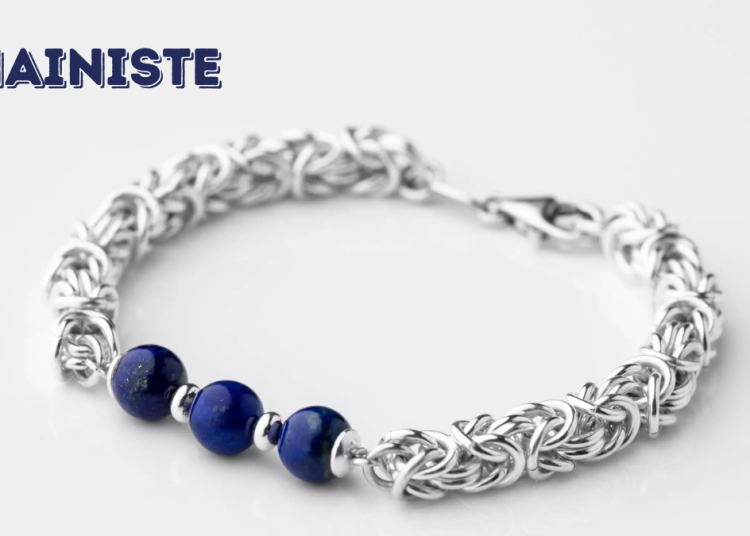
The term Chainiste is not widely defined in mainstream dictionaries, yet it has begun appearing in various online discussions, niche communities, and conceptual frameworks. Whether used in technology, philosophy, or branding, Chainiste carries an air of mystery that sparks curiosity.
This guide explores what Chainiste could mean, where it might come from, and how it is being interpreted in modern contexts.
What is Chainiste?
At its core, Chainiste appears to be a conceptual or emerging term rather than a strictly defined word. It is often interpreted in multiple ways depending on context.
Possible Interpretations
- A person or system connected to chains or networks
- A philosophy centered on interconnected systems
- A digital or blockchain-related concept
- A brand or identity built around connectivity
Because the term lacks a fixed definition, it is considered flexible and evolving.
Etymology and Origins
The word “Chainiste” likely derives from:
- “Chain” – representing connection, sequence, or linkage
- “-iste” – a suffix often used to describe a follower, specialist, or practitioner
Together, the term could suggest “one who works with or believes in chains or interconnected systems.”
Chainiste in Technology
One of the most common interpretations of Chainiste is in the tech world, especially linked to Blockchain.
Possible Tech Meanings
- A blockchain enthusiast or expert
- A developer working with decentralized systems
- A supporter of distributed ledger technology
In this sense, a Chainiste might represent someone deeply involved in modern digital infrastructure and decentralized innovation.
Chainiste as a Philosophy
Beyond technology, Chainiste can also be viewed as a philosophical concept.
Core Ideas
- Everything is interconnected
- Actions create chains of consequences
- Systems influence one another continuously
This aligns with broader ideas found in systems thinking and network theory.
Chainiste in Digital Culture
In online communities, Chainiste may be used as:
- A username or identity
- A niche community label
- A conceptual brand name
It reflects modern internet culture where new terms emerge organically and gain meaning through usage rather than formal definition.
Applications of the Chainiste Concept
1. Technology & Innovation
Used to describe professionals working in blockchain or network systems.
2. Business & Branding
Companies may adopt the term to represent connectivity and modern thinking.
3. Philosophy & Thought Leadership
Represents interconnected thinking and systemic awareness.
4. Creative Fields
Writers and creators may use it symbolically to represent relationships and continuity.
Why Chainiste is Gaining Attention
Several factors contribute to its rising interest:
- Growth of blockchain and decentralized systems
- Increased focus on interconnected digital ecosystems
- Curiosity around unique and modern terminology
- Branding appeal due to its futuristic tone
Challenges in Defining Chainiste
Despite its appeal, the term faces limitations:
- No official or standardized definition
- Multiple interpretations leading to confusion
- Lack of academic or institutional recognition
This makes it more of a conceptual keyword than a formal term.
Future of Chainiste
The future of Chainiste depends on how it is adopted:
- It could become a recognized term in tech communities
- It may evolve into a brand or movement
- It could remain a niche concept with flexible meaning
Like many modern digital terms, its value lies in how people use and define it over time.
Conclusion
Chainiste is a fascinating example of how language evolves in the digital age. Whether viewed through the lens of Blockchain, philosophy, or branding, it represents the idea of connection and interconnected systems.
FAQ’s
1. What does Chainiste’s mean?
Chainiste’s is an emerging term often associated with interconnected systems, blockchain, or conceptual philosophies.
2. Is Chainiste a real word?
It is not officially defined in dictionaries but is used in niche and digital contexts.
3. Is Chainiste related to blockchain?
Yes, it is often interpreted as being connected to blockchain and decentralized technologies.
4. Can Chainiste be used as a profession?
Informally, it could describe someone working with network systems or blockchain technologies.
5. Why is Chainiste gaining popularity?
Its modern, flexible meaning and connection to digital innovation make it appealing in online communities.

Introduction
Vivek Mehra stands out as a dynamic leader whose career spans corporate leadership, entrepreneurship, education, and thought leadership. His journey reflects a blend of innovation, resilience, and a deep commitment to knowledge dissemination—making him a notable figure in the global publishing and education ecosystem.
Early Life and Educational Foundation
While detailed early-life records are limited publicly, Vivek Mehra’s academic and professional path reflects a strong foundation in business, leadership, and intellectual pursuits. His later engagement with law studies and a PhD in management highlights his continuous dedication to learning and growth.
Rise in Corporate Leadership
Leadership at SAGE Publications India
One of the most defining phases of his career was his role as:
- CEO and Managing Director
- Later Chairman
At SAGE Publications India, he played a key role in expanding academic publishing, fostering global collaborations, and strengthening access to scholarly content. His leadership contributed significantly to enhancing the reach of research publications in emerging markets.
Entrepreneurial Vision
Founder of Vikramshila Research Pvt Ltd
After a successful corporate career, Vivek Mehra transitioned into entrepreneurship by founding Vikramshila Research in 2023.
Key Goals of the Venture:
- Promote open-access research publishing
- Support scholars from developing countries
- Contribute to building a “knowledge-driven society”
This move highlights his vision of democratizing knowledge and making academic research more accessible worldwide.
Contributions Beyond Business
Thought Leadership and Mentorship
Vivek Mehra is more than a corporate executive. His contributions include:
- TEDx speaker, sharing insights on leadership and innovation
- Startup mentor, guiding emerging entrepreneurs
- Workshop trainer, focusing on publishing and ethics
Academic Engagement
He actively teaches research publishing and ethics to PhD students and continues to pursue his own doctoral studies, demonstrating his lifelong commitment to education.
Awards and Recognitions
His impactful work has earned him multiple accolades:
- Business Excellence and Innovative Best Practices Academia Award (2019)
- Sharda Top Rankers Excellence Award for Visionary Leadership (2016)
- Vijayshree Award (Government of Maharashtra, 1994) for simplifying agricultural technology
These awards reflect his contributions across industries—from publishing to technology and education.
Leadership Style and Philosophy
Key Traits
- Vision-driven thinking: Focused on long-term impact rather than short-term gains
- Commitment to learning: Continuously evolving through education and research
- People-centric leadership: Known for building teams and nurturing talent
He describes himself as a “rational optimist,” emphasizing balanced thinking and continuous discovery.
Impact on Publishing and Education
Vivek Mehra’s influence extends into:
- Expanding academic publishing in emerging economies
- Promoting ethical research practices
- Supporting global knowledge exchange
His work bridges the gap between traditional publishing and modern digital dissemination.
Personal Interests
Beyond his professional life, he is known for:
- Practicing yoga and squash
- Exploring philosophy and intellectual thought
- Writing and sharing perspectives through blogs
These interests contribute to his well-rounded leadership approach.
Challenges and Growth
Like many visionary leaders, Vivek Mehra’s journey includes:
- Navigating the shift from traditional to digital publishing
- Building a startup after a long corporate career
- Adapting to evolving global education systems
His ability to embrace change has been a key factor in his success.
Legacy and Future Outlook
With initiatives like Vikramshila Research, Vivek Mehra continues to:
- Champion open knowledge ecosystems
- Inspire future leaders and scholars
- Shape the future of global publishing
His journey reflects a commitment to making knowledge accessible and impactful on a global scale.
FAQ’s
1. Who is Vivek Mehra?
Vivek Mehra is an Indian publishing executive, entrepreneur, and founder of Vikramshila Research, known for his contributions to academic publishing.
2. What is Vivek Mehra known for?
He is best known for his leadership at SAGE Publications India and his work in promoting open-access research.
3. What is Vikramshila Research?
It is a research publishing platform founded by Vivek Mehra to make scholarly content accessible globally.
4. Has Vivek Mehra received any awards?
Yes, he has received multiple awards, including the Business Excellence Award and the Vijayshree Award.
5. Is Vivek Mehra involved in education?
Yes, he teaches research publishing and ethics and is pursuing a PhD in management.
6. What is his leadership style?
He is known for visionary, people-centric, and learning-driven leadership.
7. What is his current focus?
He is focused on expanding open-access publishing and mentoring the next generation of leaders.
Conclusion
Vivek Mehra exemplifies what it means to be a visionary leader in the modern era. From corporate success to entrepreneurial innovation, his journey highlights the power of knowledge, leadership, and continuous growth.
-

 BLOG2 years ago
The Versatility and Convenience of a 5’x5′ Square Folding Table
-

 FASHION1 year ago
Pagewings: Book‑Lover Apparel That Speaks Volumes
-

 HOME2 years ago
From Script to Screen: Top Educational Programs for Future Screenwriters That Actually Work
-

 NEWS1 year ago
Whatfinger News: A Comprehensive Guide to Alternative News
-

 TECHNOLOGY2 years ago
Aagmal: The Future of Innovation and Efficiency
-

 TECH1 year ago
How Cyber Security Services Help Organizations Manage Cyber Risk
-

 BLOG2 years ago
Slothokiturbo.net: Exploring the World of Online Gaming and Community
-

 ENTERTAINMENT2 years ago
Arlecchino: The Mischievous Harlequin of Italian Theater