
BLOG
Tulipanes: A Fascinating Journey History, Cultivation, & Symbolism

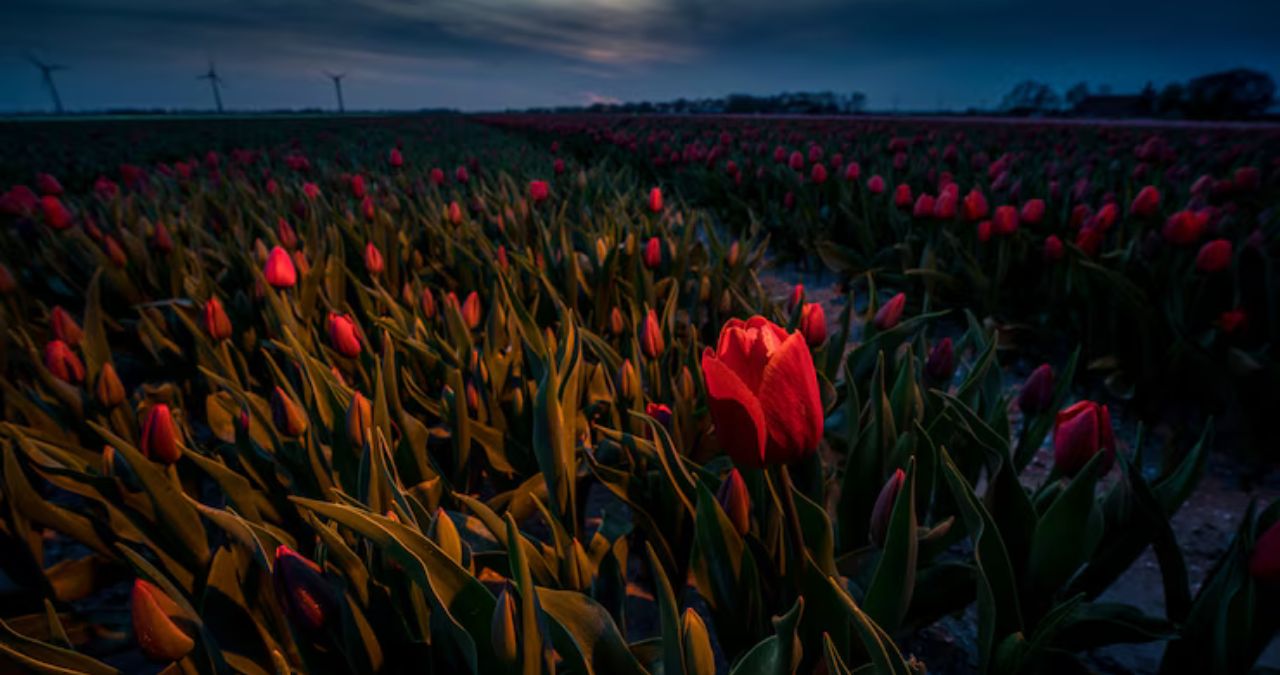
Tulipanes, or tulips, captivate hearts worldwide with their vibrant colors and striking simplicity. Whether gracing gardens, symbolizing love in artwork, or starring in grand festivals, these flowers have enchanted generations. But tulipanes are more than just ornamental beauties; their story spans centuries of history, cultural significance, and meticulous cultivation.
This blog will take you on a spellbinding exploration of the tulip’s rich origins, its cultivation secrets, and the symbolic meanings that make it one of the world’s most beloved flowers. If you’re eager to deepen your understanding of tulipanes, this blog is for you.
The Origins of Tulipanes: A Global Journey
Tulipanes have a storied past that dates back centuries and spans continents. Their roots, quite literally, can be traced to the wild foothills of Central Asia, where tulips grew wild for thousands of years.
From Central Asia to the Ottoman Empire
Tulips were first cultivated in the 10th century by the Turks in the Ottoman Empire, where they became a symbol of abundance and paradise in Islamic art and poetry. The name “tulip” likely originates from the Persian word “dulband,” meaning turban, as the flower’s shape was said to resemble the traditional headwear.
They held such importance that the Ottoman period between 1718 and 1730 is often called the “Tulip Era” (Lale Devri) because of the flower’s immense popularity and symbolism during that time. Tulips adorned palace gardens, textiles, and ceramics, signifying prosperity, indulgence, and beauty.
The Dutch Obsession in the 17th Century
While the Ottomans introduced tulipanes to Europe in the 16th century, it was the Dutch who took tulip mania to extraordinary heights. By the 1630s, tulips became a symbol of wealth and status across the Netherlands. This period saw the infamous “tulip mania,” with single bulbs sometimes fetching sums equivalent to a house.
Though the tulip market eventually crashed in 1637, the Dutch remained devoted to tulipanes, elevating them to a cultural icon. Even today, the Netherlands remains synonymous with tulips, producing over 4 billion bulbs annually.
Cultivating Tulipanes: Tips for Growing Your Own
Tulips might seem like the realm of professional growers, but they can flourish in gardens everywhere with careful planting and some know-how. Below are practical tips for cultivating tulipanes in your own yard:
1. Choosing the Right Bulbs
Healthy tulip bulbs are essential for vibrant blooms. Look for bulbs that are firm and free from soft spots or mold. Bigger bulbs typically produce larger flowers, so aim for premium-quality ones when possible.
2. Well-Drained Soil
Tulips dislike soggy roots, so ensure your soil is well-draining. If the soil in your area retains too much water, mix in sand or compost to increase drainage.
3. Planting Depth and Timing
Tulip bulbs should be planted in autumn, about 6 to 8 inches deep, with the pointed end facing upward. This depth helps protect the bulbs from temperature swings and pests.
4. Sunlight and Positioning
Tulipanes thrive in full sun, so pick a sunny spot where they’ll receive at least 6 hours of light daily. Space bulbs about 4-6 inches apart to allow them room to grow.
5. Watering and Care
While tulips don’t need excessive watering, they require consistent moisture during growth. Stop watering once the foliage starts dying back after blooming, as this signals the bulb’s dormancy.
6. Post-Bloom Maintenance
Once tulips have finished flowering, remove the spent flowers to prevent seed formation. However, leave the foliage intact until it fully yellows so the bulb can store enough energy for next season’s bloom.
The Many Meanings of Tulipanes: Symbolism Across Cultures
Tulipanes have permeated cultural and personal symbolism for centuries. Depending on their color, tulips can convey a range of messages and emotions.
Tulip Colors and Their Meanings
- Red Tulips: Universally recognized as symbols of love and passion, red tulipanes are often gifted to express deep affection.
- Yellow Tulips: Once associated with unrequited love, yellow tulips today symbolize sunshine and happiness.
- Purple Tulips: With their regal hue, purple varieties represent royalty and admiration.
- White Tulips: These symbolize forgiveness and purity, often given during reconciliations or somber occasions.
- Pink Tulips: Gentle and soft, pink tulipanes convey care, attachment, and good wishes.
Tulip Festivals: Celebrating the Icon
From the Istanbul Tulip Festival to Keukenhof Gardens in the Netherlands and Canada’s Canadian Tulip Festival, tulips have inspired global celebrations. These vibrant gatherings nurture the love and appreciation for tulipanes, showcasing their versatility and charm.
Fun Facts About Tulipanes That Will Surprise You
- They can make you feel better: Compounds found in tulip bulbs have been studied for their medicinal properties, including potential use as natural antifungals.
- They have starred in espionage: Historical records suggest that tulip bulbs were used as currency and as coded signals during espionage missions in World War II.
- They’re edible (but don’t eat too many!): Tulip petals are sometimes used as garnishes or for decorative purposes in desserts.
How Tulipanes Reflect Beauty and Resilience
Throughout history, tulipanes have symbolized resilience, evolving cultural values, and ageless beauty. Whether you marvel at their aesthetic in a garden, admire their historical significance, or simply enjoy arranging a bouquet in your living room, tulips remind us of nature’s ability to bring joy and meaning.
If cultivating tulips isn’t already on your agenda, perhaps it’s time it should be. After all, not many flowers carry such a perfect combination of physical beauty, rich history, and fascinating symbolism.
Plant your own tulipanes this season and witness the magic unfold. Who knows? You might even find a whole new appreciation for the small wonders of the natural world.


Introduction
In a world where information moves faster than ever, finding a reliable and easy-to-consume news source is essential. Breezy News has emerged as a modern platform designed to deliver fresh updates in a quick, accessible, and engaging way. Whether you are looking for breaking news, local updates, or trending stories, Breezy News aims to keep you informed without overwhelming you.
What is Breezy News?
Breezy News is a digital-first news platform that focuses on providing concise, timely, and reader-friendly content. Unlike traditional outlets that may present lengthy reports, Breezy News emphasizes clarity and speed, making it ideal for modern audiences.
Core Focus Areas
- Breaking news updates
- Local and community stories
- Trending topics
- Lifestyle and human-interest content
- Quick-read articles
How Breezy News Works
The platform is built around simplicity and accessibility.
Content Delivery
Articles are designed to be short, informative, and easy to read on mobile devices.
Real-Time Updates
News is published quickly to keep readers informed about current events.
Digital Accessibility
Users can access content through:
- Websites
- Social media platforms
- Mobile-friendly interfaces
Key Features of Breezy News
1. Fast and Fresh Updates
Breezy News focuses on delivering news as it happens, ensuring readers stay current.
2. Easy-to-Read Format
Short paragraphs and simple language make content accessible to all readers.
3. Wide Content Variety
From local updates to global trends, the platform covers diverse topics.
4. Mobile Optimization
Designed for users who consume news on smartphones and tablets.
Why Breezy News is Gaining Popularity
Several factors contribute to its growing appeal:
- Quick and digestible content
- Focus on relevant and trending topics
- Strong presence on social media
- User-friendly reading experience
In an age of information overload, platforms like Breezy News provide a refreshing alternative.
Role in Modern Digital Media
Breezy News reflects the shift toward:
- Short-form journalism
- Real-time reporting
- Audience-focused storytelling
It aligns with how modern readers prefer to consume news—quickly, clearly, and on-the-go.
Benefits of Using Breezy News
Saves Time
Readers can stay informed without reading lengthy articles.
Easy Accessibility
Available across multiple devices and platforms.
Engaging Content
Designed to keep readers interested and informed.
Community Connection
Often highlights local stories that matter to readers.
Challenges Facing Platforms Like Breezy News
Despite its advantages, there are challenges:
- Balancing speed with accuracy
- Competing with larger media outlets
- Avoiding misinformation in fast reporting
- Maintaining credibility
Successful platforms must ensure fact-checking and responsible journalism.
How to Get the Most Out of Breezy News
To use the platform effectively:
- Follow official pages for updates
- Cross-check important news with reliable sources
- Engage with content for better recommendations
- Stay aware of trending topics
Conclusion
Breezy News represents the future of digital journalism—fast, accessible, and reader-focused. With its emphasis on fresh updates and simplified storytelling, it has become a go-to source for modern news consumers.
FAQ’s
1. What is Breezy News?
Breezy News is a digital news platform that provides quick and easy-to-read updates on current events and trending topics.
2. Is Breezy New’s reliable?
It aims to provide timely information, but readers should verify important news from multiple trusted sources.
3. What type of content does Breezy New’s cover?
It covers breaking news, local updates, lifestyle topics, and trending stories.
4. How can I access Breezy New’s?
You can access it through its website, social media platforms, and mobile devices.
5. Why is Breezy New’s popular?
Its short, engaging, and mobile-friendly content makes it appealing to modern readers.

Introduction
The term Chainiste is not widely defined in mainstream dictionaries, yet it has begun appearing in various online discussions, niche communities, and conceptual frameworks. Whether used in technology, philosophy, or branding, Chainiste carries an air of mystery that sparks curiosity.
This guide explores what Chainiste could mean, where it might come from, and how it is being interpreted in modern contexts.
What is Chainiste?
At its core, Chainiste appears to be a conceptual or emerging term rather than a strictly defined word. It is often interpreted in multiple ways depending on context.
Possible Interpretations
- A person or system connected to chains or networks
- A philosophy centered on interconnected systems
- A digital or blockchain-related concept
- A brand or identity built around connectivity
Because the term lacks a fixed definition, it is considered flexible and evolving.
Etymology and Origins
The word “Chainiste” likely derives from:
- “Chain” – representing connection, sequence, or linkage
- “-iste” – a suffix often used to describe a follower, specialist, or practitioner
Together, the term could suggest “one who works with or believes in chains or interconnected systems.”
Chainiste in Technology
One of the most common interpretations of Chainiste is in the tech world, especially linked to Blockchain.
Possible Tech Meanings
- A blockchain enthusiast or expert
- A developer working with decentralized systems
- A supporter of distributed ledger technology
In this sense, a Chainiste might represent someone deeply involved in modern digital infrastructure and decentralized innovation.
Chainiste as a Philosophy
Beyond technology, Chainiste can also be viewed as a philosophical concept.
Core Ideas
- Everything is interconnected
- Actions create chains of consequences
- Systems influence one another continuously
This aligns with broader ideas found in systems thinking and network theory.
Chainiste in Digital Culture
In online communities, Chainiste may be used as:
- A username or identity
- A niche community label
- A conceptual brand name
It reflects modern internet culture where new terms emerge organically and gain meaning through usage rather than formal definition.
Applications of the Chainiste Concept
1. Technology & Innovation
Used to describe professionals working in blockchain or network systems.
2. Business & Branding
Companies may adopt the term to represent connectivity and modern thinking.
3. Philosophy & Thought Leadership
Represents interconnected thinking and systemic awareness.
4. Creative Fields
Writers and creators may use it symbolically to represent relationships and continuity.
Why Chainiste is Gaining Attention
Several factors contribute to its rising interest:
- Growth of blockchain and decentralized systems
- Increased focus on interconnected digital ecosystems
- Curiosity around unique and modern terminology
- Branding appeal due to its futuristic tone
Challenges in Defining Chainiste
Despite its appeal, the term faces limitations:
- No official or standardized definition
- Multiple interpretations leading to confusion
- Lack of academic or institutional recognition
This makes it more of a conceptual keyword than a formal term.
Future of Chainiste
The future of Chainiste depends on how it is adopted:
- It could become a recognized term in tech communities
- It may evolve into a brand or movement
- It could remain a niche concept with flexible meaning
Like many modern digital terms, its value lies in how people use and define it over time.
Conclusion
Chainiste is a fascinating example of how language evolves in the digital age. Whether viewed through the lens of Blockchain, philosophy, or branding, it represents the idea of connection and interconnected systems.
FAQ’s
1. What does Chainiste’s mean?
Chainiste’s is an emerging term often associated with interconnected systems, blockchain, or conceptual philosophies.
2. Is Chainiste a real word?
It is not officially defined in dictionaries but is used in niche and digital contexts.
3. Is Chainiste related to blockchain?
Yes, it is often interpreted as being connected to blockchain and decentralized technologies.
4. Can Chainiste be used as a profession?
Informally, it could describe someone working with network systems or blockchain technologies.
5. Why is Chainiste gaining popularity?
Its modern, flexible meaning and connection to digital innovation make it appealing in online communities.

Introduction
Vivek Mehra stands out as a dynamic leader whose career spans corporate leadership, entrepreneurship, education, and thought leadership. His journey reflects a blend of innovation, resilience, and a deep commitment to knowledge dissemination—making him a notable figure in the global publishing and education ecosystem.
Early Life and Educational Foundation
While detailed early-life records are limited publicly, Vivek Mehra’s academic and professional path reflects a strong foundation in business, leadership, and intellectual pursuits. His later engagement with law studies and a PhD in management highlights his continuous dedication to learning and growth.
Rise in Corporate Leadership
Leadership at SAGE Publications India
One of the most defining phases of his career was his role as:
- CEO and Managing Director
- Later Chairman
At SAGE Publications India, he played a key role in expanding academic publishing, fostering global collaborations, and strengthening access to scholarly content. His leadership contributed significantly to enhancing the reach of research publications in emerging markets.
Entrepreneurial Vision
Founder of Vikramshila Research Pvt Ltd
After a successful corporate career, Vivek Mehra transitioned into entrepreneurship by founding Vikramshila Research in 2023.
Key Goals of the Venture:
- Promote open-access research publishing
- Support scholars from developing countries
- Contribute to building a “knowledge-driven society”
This move highlights his vision of democratizing knowledge and making academic research more accessible worldwide.
Contributions Beyond Business
Thought Leadership and Mentorship
Vivek Mehra is more than a corporate executive. His contributions include:
- TEDx speaker, sharing insights on leadership and innovation
- Startup mentor, guiding emerging entrepreneurs
- Workshop trainer, focusing on publishing and ethics
Academic Engagement
He actively teaches research publishing and ethics to PhD students and continues to pursue his own doctoral studies, demonstrating his lifelong commitment to education.
Awards and Recognitions
His impactful work has earned him multiple accolades:
- Business Excellence and Innovative Best Practices Academia Award (2019)
- Sharda Top Rankers Excellence Award for Visionary Leadership (2016)
- Vijayshree Award (Government of Maharashtra, 1994) for simplifying agricultural technology
These awards reflect his contributions across industries—from publishing to technology and education.
Leadership Style and Philosophy
Key Traits
- Vision-driven thinking: Focused on long-term impact rather than short-term gains
- Commitment to learning: Continuously evolving through education and research
- People-centric leadership: Known for building teams and nurturing talent
He describes himself as a “rational optimist,” emphasizing balanced thinking and continuous discovery.
Impact on Publishing and Education
Vivek Mehra’s influence extends into:
- Expanding academic publishing in emerging economies
- Promoting ethical research practices
- Supporting global knowledge exchange
His work bridges the gap between traditional publishing and modern digital dissemination.
Personal Interests
Beyond his professional life, he is known for:
- Practicing yoga and squash
- Exploring philosophy and intellectual thought
- Writing and sharing perspectives through blogs
These interests contribute to his well-rounded leadership approach.
Challenges and Growth
Like many visionary leaders, Vivek Mehra’s journey includes:
- Navigating the shift from traditional to digital publishing
- Building a startup after a long corporate career
- Adapting to evolving global education systems
His ability to embrace change has been a key factor in his success.
Legacy and Future Outlook
With initiatives like Vikramshila Research, Vivek Mehra continues to:
- Champion open knowledge ecosystems
- Inspire future leaders and scholars
- Shape the future of global publishing
His journey reflects a commitment to making knowledge accessible and impactful on a global scale.
FAQ’s
1. Who is Vivek Mehra?
Vivek Mehra is an Indian publishing executive, entrepreneur, and founder of Vikramshila Research, known for his contributions to academic publishing.
2. What is Vivek Mehra known for?
He is best known for his leadership at SAGE Publications India and his work in promoting open-access research.
3. What is Vikramshila Research?
It is a research publishing platform founded by Vivek Mehra to make scholarly content accessible globally.
4. Has Vivek Mehra received any awards?
Yes, he has received multiple awards, including the Business Excellence Award and the Vijayshree Award.
5. Is Vivek Mehra involved in education?
Yes, he teaches research publishing and ethics and is pursuing a PhD in management.
6. What is his leadership style?
He is known for visionary, people-centric, and learning-driven leadership.
7. What is his current focus?
He is focused on expanding open-access publishing and mentoring the next generation of leaders.
Conclusion
Vivek Mehra exemplifies what it means to be a visionary leader in the modern era. From corporate success to entrepreneurial innovation, his journey highlights the power of knowledge, leadership, and continuous growth.
-

 BLOG2 years ago
The Versatility and Convenience of a 5’x5′ Square Folding Table
-

 FASHION1 year ago
Pagewings: Book‑Lover Apparel That Speaks Volumes
-

 HOME2 years ago
From Script to Screen: Top Educational Programs for Future Screenwriters That Actually Work
-

 NEWS1 year ago
Whatfinger News: A Comprehensive Guide to Alternative News
-

 TECHNOLOGY1 year ago
Aagmal: The Future of Innovation and Efficiency
-

 TECH1 year ago
How Cyber Security Services Help Organizations Manage Cyber Risk
-

 BLOG2 years ago
Slothokiturbo.net: Exploring the World of Online Gaming and Community
-

 ENTERTAINMENT2 years ago
Arlecchino: The Mischievous Harlequin of Italian Theater