
BLOG
Discovering Teasemoonga: A Journey into the Heart of Tea Culture

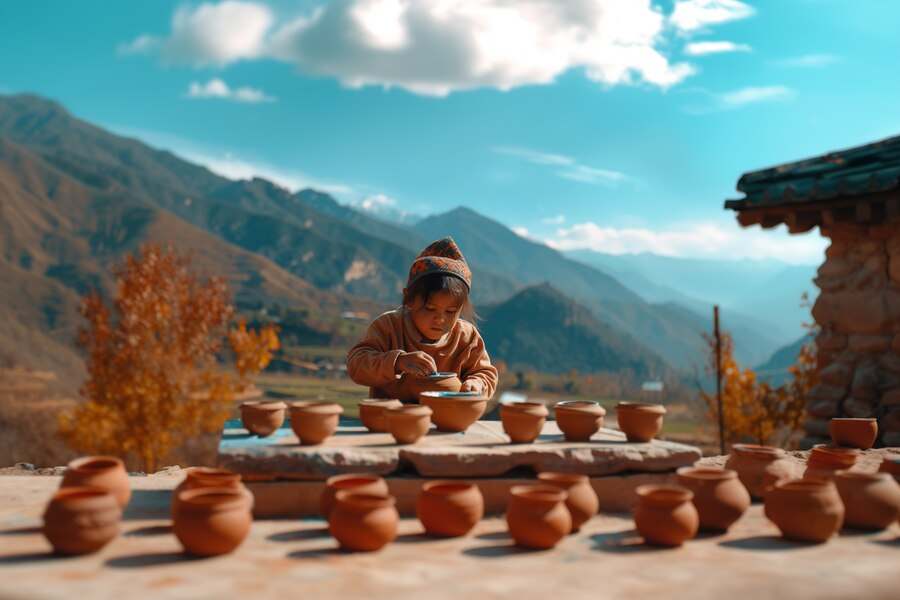
The world of tea is vast, intricate, and deeply rooted in history. However, there is one hidden gem in this universe that has been quietly enchanting tea lovers and cultural enthusiasts alike—Teasemoonga. More than just a beverage, Teasemoonga is both art and craft, a profound experience that invites you into the heart of tea culture.
This blog will take you on a detailed exploration of Teasemoonga. From its origins and unique preparation methods to its profound cultural significance and growing popularity, you’ll discover why this distinctive tea experience deserves your attention. Whether you’re a seasoned tea connoisseur or someone curious about expanding their palate, this guide will ignite your passion for tea in ways you never imagined.
What is Teasemoonga?
Teasemoonga is more than a type of tea—it’s a cultural and sensory experience. Originating from the misty highlands of northern Asia, this tea tradition is both steeped in ancient rituals and infused with contemporary innovation. At its core, Teasemoonga is a curated blend of hand-picked, exotic tea leaves paired with a ceremonial brewing process that transforms tea into a meditative experience.
Unlike more common forms of tea, Teasemoonga embraces complexity and richness. Each sip offers a symphony of layered flavors ranging from earthy and woody undertones to delicate floral and citrusy notes. What makes it stand apart? The fusion of traditional craftsmanship with sustainable growing practices, ensuring every cup is ethical and exquisite.
The Origins and Heritage of Teasemoonga
Teasemoonga’s story begins in small, terraced villages located in an unspoiled mountainous region of northern Asia. This region’s unique ecology, characterized by fertile soil, high altitude, and consistently cool temperatures, creates the perfect conditions for cultivating rare tea leaves.
Centuries ago, these highlands were home to monastic communities that used tea as both sustenance and a medium for spiritual practices. The name “Teasemoonga” itself is derived from ancient dialects, translating loosely to “a meeting of leaves and soul.” Over time, local tea farmers and artisans refined the practices, blending techniques with rituals, giving birth to what we know today as Teasemoonga.
Why Teasemoonga Matters in Modern Tea Culture
A Convergence of Flavor and Ritual
Teasemoonga is not just appreciated for its flavor profile but also its focus on intentionality. The brewing process is a ritual in itself, emphasizing mindfulness and precision. From heating the water to the perfect temperature to carefully steeping the leaves for exactly the right amount of time, every detail is designed to create an immersive experience.
Supporting Sustainability
Modern tea culture is increasingly concerned with sustainability, and Teasemoonga exemplifies this movement. Its growers and producers prioritize organic farming techniques and fair trade practices. Each purchase supports local farmers, helping preserve ancient traditions while promoting an ethical supply chain.
Celebrating Community
Teasemoonga is a social connector. It’s regularly featured at tea ceremonies, cultural events, and workshops, where individuals and communities gather to reflect, unwind, and appreciate the moment. It brings people together and fosters a sense of connection in an increasingly fast-paced world.
How Teasemoonga is Prepared
One of the most fascinating aspects of Teasemoonga is its preparation—a process that blends art with science. Here’s a brief overview:
- Selecting the Leaves
Only the finest, intact leaves are chosen for Teasemoonga. These are often hand-plucked during early mornings when the dew preserves their delicate aroma and flavor.
- Water Quality Matters
Purity is key. Spring water, free of minerals and impurities, is traditionally used for brewing Teasemoonga to ensure an unadulterated flavor.
- The Precise Brew
Teasemoonga is brewed at an exact temperature, usually between 175°F and 185°F, depending on the blend. Too hot, and you risk bitterness. Too cold, and the nuanced flavors fail to emerge.
- The Ritual of Pouring
Every step of pouring is deliberate—ensuring balance in how the tea is aerated and served. This often involves using traditional clay or porcelain teapots, which enhance the thermal retention and aesthetics of the ceremony.
- Mindful Sipping
Finally, the tea is enjoyed in silence or quiet conversation, emphasizing reflection and gratitude with each sip. Many enthusiasts liken this to meditation.
The Growing Popularity of Teasemoonga
Teasemoonga is no longer confined to its ancestral roots. Over the past decade, it has gained a dedicated following among tea enthusiasts, wellness advocates, and gourmands across the globe. Unique establishments specializing in Teasemoonga have opened in cities like Tokyo, London, and New York, where the authentic practice is preserved and celebrated.
Some of the leading names in the specialty tea industry are now stocking Teasemoonga blends to cater to their discerning customers. Social media has also played a pivotal role in its rise—photos of its distinctive golden amber brew and intricately crafted teaware are drawing millions of likes and shares, igniting curiosity and passion.
Why You Should Try Teasemoonga
For those wondering why they should venture into Teasemoonga, here are some compelling reasons:
- Sophisticated Flavor Profile
No two cups of Teasemoonga taste the same. Each blend offers a rich and unique experience that captivates the palate.
- A Moment for Yourself
The process of preparing and enjoying Teasemoonga is a perfect opportunity to slow down and reconnect with yourself.
- Promote Ethical Consumption
By choosing Teasemoonga’s , you support sustainable farming and fair trading, creating a positive ripple effect in the community.
- An Elevated Tea Journey
Teasemoonga transforms tea drinking from an ordinary habit to an extraordinary ritual, opening doors to a deeper appreciation of tea culture.
Where to Begin Your Teasemoonga Journey
While the best way to experience Teasemoonga’s is through a traditional tea ceremony, you can also enjoy it at home with starter kits offered by various specialty tea shops. These often include a curated selection of loose-leaf blends, brewing tools, and a guide to help you master the ritual.
For those seeking a more immersive experience, consider visiting cultural establishments that offer workshops or guided tastings. You’ll not only be amazed by the intricate details but also leave with a richer understanding of tea as an art form.
Elevate Every Cup with Teasemoonga
Teasemoonga’s is more than just tea—it’s a celebration of mindfulness, culture, and connection. By exploring this unique tradition, you unlock a greater appreciation for the craftsmanship and heritage that go into every cup.
Whether you’re a novice looking to diversify your tea experience or an enthusiast searching for the next standout brew, Teasemoonga’s promises to leave a lasting impression.
Start your tea discovery today and immerse yourself in a ritual that has delighted tea lovers for generations.


Introduction
In a world where information moves faster than ever, finding a reliable and easy-to-consume news source is essential. Breezy News has emerged as a modern platform designed to deliver fresh updates in a quick, accessible, and engaging way. Whether you are looking for breaking news, local updates, or trending stories, Breezy News aims to keep you informed without overwhelming you.
What is Breezy News?
Breezy News is a digital-first news platform that focuses on providing concise, timely, and reader-friendly content. Unlike traditional outlets that may present lengthy reports, Breezy News emphasizes clarity and speed, making it ideal for modern audiences.
Core Focus Areas
- Breaking news updates
- Local and community stories
- Trending topics
- Lifestyle and human-interest content
- Quick-read articles
How Breezy News Works
The platform is built around simplicity and accessibility.
Content Delivery
Articles are designed to be short, informative, and easy to read on mobile devices.
Real-Time Updates
News is published quickly to keep readers informed about current events.
Digital Accessibility
Users can access content through:
- Websites
- Social media platforms
- Mobile-friendly interfaces
Key Features of Breezy News
1. Fast and Fresh Updates
Breezy News focuses on delivering news as it happens, ensuring readers stay current.
2. Easy-to-Read Format
Short paragraphs and simple language make content accessible to all readers.
3. Wide Content Variety
From local updates to global trends, the platform covers diverse topics.
4. Mobile Optimization
Designed for users who consume news on smartphones and tablets.
Why Breezy News is Gaining Popularity
Several factors contribute to its growing appeal:
- Quick and digestible content
- Focus on relevant and trending topics
- Strong presence on social media
- User-friendly reading experience
In an age of information overload, platforms like Breezy News provide a refreshing alternative.
Role in Modern Digital Media
Breezy News reflects the shift toward:
- Short-form journalism
- Real-time reporting
- Audience-focused storytelling
It aligns with how modern readers prefer to consume news—quickly, clearly, and on-the-go.
Benefits of Using Breezy News
Saves Time
Readers can stay informed without reading lengthy articles.
Easy Accessibility
Available across multiple devices and platforms.
Engaging Content
Designed to keep readers interested and informed.
Community Connection
Often highlights local stories that matter to readers.
Challenges Facing Platforms Like Breezy News
Despite its advantages, there are challenges:
- Balancing speed with accuracy
- Competing with larger media outlets
- Avoiding misinformation in fast reporting
- Maintaining credibility
Successful platforms must ensure fact-checking and responsible journalism.
How to Get the Most Out of Breezy News
To use the platform effectively:
- Follow official pages for updates
- Cross-check important news with reliable sources
- Engage with content for better recommendations
- Stay aware of trending topics
Conclusion
Breezy News represents the future of digital journalism—fast, accessible, and reader-focused. With its emphasis on fresh updates and simplified storytelling, it has become a go-to source for modern news consumers.
FAQ’s
1. What is Breezy News?
Breezy News is a digital news platform that provides quick and easy-to-read updates on current events and trending topics.
2. Is Breezy New’s reliable?
It aims to provide timely information, but readers should verify important news from multiple trusted sources.
3. What type of content does Breezy New’s cover?
It covers breaking news, local updates, lifestyle topics, and trending stories.
4. How can I access Breezy New’s?
You can access it through its website, social media platforms, and mobile devices.
5. Why is Breezy New’s popular?
Its short, engaging, and mobile-friendly content makes it appealing to modern readers.

Introduction
The term Chainiste is not widely defined in mainstream dictionaries, yet it has begun appearing in various online discussions, niche communities, and conceptual frameworks. Whether used in technology, philosophy, or branding, Chainiste carries an air of mystery that sparks curiosity.
This guide explores what Chainiste could mean, where it might come from, and how it is being interpreted in modern contexts.
What is Chainiste?
At its core, Chainiste appears to be a conceptual or emerging term rather than a strictly defined word. It is often interpreted in multiple ways depending on context.
Possible Interpretations
- A person or system connected to chains or networks
- A philosophy centered on interconnected systems
- A digital or blockchain-related concept
- A brand or identity built around connectivity
Because the term lacks a fixed definition, it is considered flexible and evolving.
Etymology and Origins
The word “Chainiste” likely derives from:
- “Chain” – representing connection, sequence, or linkage
- “-iste” – a suffix often used to describe a follower, specialist, or practitioner
Together, the term could suggest “one who works with or believes in chains or interconnected systems.”
Chainiste in Technology
One of the most common interpretations of Chainiste is in the tech world, especially linked to Blockchain.
Possible Tech Meanings
- A blockchain enthusiast or expert
- A developer working with decentralized systems
- A supporter of distributed ledger technology
In this sense, a Chainiste might represent someone deeply involved in modern digital infrastructure and decentralized innovation.
Chainiste as a Philosophy
Beyond technology, Chainiste can also be viewed as a philosophical concept.
Core Ideas
- Everything is interconnected
- Actions create chains of consequences
- Systems influence one another continuously
This aligns with broader ideas found in systems thinking and network theory.
Chainiste in Digital Culture
In online communities, Chainiste may be used as:
- A username or identity
- A niche community label
- A conceptual brand name
It reflects modern internet culture where new terms emerge organically and gain meaning through usage rather than formal definition.
Applications of the Chainiste Concept
1. Technology & Innovation
Used to describe professionals working in blockchain or network systems.
2. Business & Branding
Companies may adopt the term to represent connectivity and modern thinking.
3. Philosophy & Thought Leadership
Represents interconnected thinking and systemic awareness.
4. Creative Fields
Writers and creators may use it symbolically to represent relationships and continuity.
Why Chainiste is Gaining Attention
Several factors contribute to its rising interest:
- Growth of blockchain and decentralized systems
- Increased focus on interconnected digital ecosystems
- Curiosity around unique and modern terminology
- Branding appeal due to its futuristic tone
Challenges in Defining Chainiste
Despite its appeal, the term faces limitations:
- No official or standardized definition
- Multiple interpretations leading to confusion
- Lack of academic or institutional recognition
This makes it more of a conceptual keyword than a formal term.
Future of Chainiste
The future of Chainiste depends on how it is adopted:
- It could become a recognized term in tech communities
- It may evolve into a brand or movement
- It could remain a niche concept with flexible meaning
Like many modern digital terms, its value lies in how people use and define it over time.
Conclusion
Chainiste is a fascinating example of how language evolves in the digital age. Whether viewed through the lens of Blockchain, philosophy, or branding, it represents the idea of connection and interconnected systems.
FAQ’s
1. What does Chainiste’s mean?
Chainiste’s is an emerging term often associated with interconnected systems, blockchain, or conceptual philosophies.
2. Is Chainiste a real word?
It is not officially defined in dictionaries but is used in niche and digital contexts.
3. Is Chainiste related to blockchain?
Yes, it is often interpreted as being connected to blockchain and decentralized technologies.
4. Can Chainiste be used as a profession?
Informally, it could describe someone working with network systems or blockchain technologies.
5. Why is Chainiste gaining popularity?
Its modern, flexible meaning and connection to digital innovation make it appealing in online communities.

Introduction
Vivek Mehra stands out as a dynamic leader whose career spans corporate leadership, entrepreneurship, education, and thought leadership. His journey reflects a blend of innovation, resilience, and a deep commitment to knowledge dissemination—making him a notable figure in the global publishing and education ecosystem.
Early Life and Educational Foundation
While detailed early-life records are limited publicly, Vivek Mehra’s academic and professional path reflects a strong foundation in business, leadership, and intellectual pursuits. His later engagement with law studies and a PhD in management highlights his continuous dedication to learning and growth.
Rise in Corporate Leadership
Leadership at SAGE Publications India
One of the most defining phases of his career was his role as:
- CEO and Managing Director
- Later Chairman
At SAGE Publications India, he played a key role in expanding academic publishing, fostering global collaborations, and strengthening access to scholarly content. His leadership contributed significantly to enhancing the reach of research publications in emerging markets.
Entrepreneurial Vision
Founder of Vikramshila Research Pvt Ltd
After a successful corporate career, Vivek Mehra transitioned into entrepreneurship by founding Vikramshila Research in 2023.
Key Goals of the Venture:
- Promote open-access research publishing
- Support scholars from developing countries
- Contribute to building a “knowledge-driven society”
This move highlights his vision of democratizing knowledge and making academic research more accessible worldwide.
Contributions Beyond Business
Thought Leadership and Mentorship
Vivek Mehra is more than a corporate executive. His contributions include:
- TEDx speaker, sharing insights on leadership and innovation
- Startup mentor, guiding emerging entrepreneurs
- Workshop trainer, focusing on publishing and ethics
Academic Engagement
He actively teaches research publishing and ethics to PhD students and continues to pursue his own doctoral studies, demonstrating his lifelong commitment to education.
Awards and Recognitions
His impactful work has earned him multiple accolades:
- Business Excellence and Innovative Best Practices Academia Award (2019)
- Sharda Top Rankers Excellence Award for Visionary Leadership (2016)
- Vijayshree Award (Government of Maharashtra, 1994) for simplifying agricultural technology
These awards reflect his contributions across industries—from publishing to technology and education.
Leadership Style and Philosophy
Key Traits
- Vision-driven thinking: Focused on long-term impact rather than short-term gains
- Commitment to learning: Continuously evolving through education and research
- People-centric leadership: Known for building teams and nurturing talent
He describes himself as a “rational optimist,” emphasizing balanced thinking and continuous discovery.
Impact on Publishing and Education
Vivek Mehra’s influence extends into:
- Expanding academic publishing in emerging economies
- Promoting ethical research practices
- Supporting global knowledge exchange
His work bridges the gap between traditional publishing and modern digital dissemination.
Personal Interests
Beyond his professional life, he is known for:
- Practicing yoga and squash
- Exploring philosophy and intellectual thought
- Writing and sharing perspectives through blogs
These interests contribute to his well-rounded leadership approach.
Challenges and Growth
Like many visionary leaders, Vivek Mehra’s journey includes:
- Navigating the shift from traditional to digital publishing
- Building a startup after a long corporate career
- Adapting to evolving global education systems
His ability to embrace change has been a key factor in his success.
Legacy and Future Outlook
With initiatives like Vikramshila Research, Vivek Mehra continues to:
- Champion open knowledge ecosystems
- Inspire future leaders and scholars
- Shape the future of global publishing
His journey reflects a commitment to making knowledge accessible and impactful on a global scale.
FAQ’s
1. Who is Vivek Mehra?
Vivek Mehra is an Indian publishing executive, entrepreneur, and founder of Vikramshila Research, known for his contributions to academic publishing.
2. What is Vivek Mehra known for?
He is best known for his leadership at SAGE Publications India and his work in promoting open-access research.
3. What is Vikramshila Research?
It is a research publishing platform founded by Vivek Mehra to make scholarly content accessible globally.
4. Has Vivek Mehra received any awards?
Yes, he has received multiple awards, including the Business Excellence Award and the Vijayshree Award.
5. Is Vivek Mehra involved in education?
Yes, he teaches research publishing and ethics and is pursuing a PhD in management.
6. What is his leadership style?
He is known for visionary, people-centric, and learning-driven leadership.
7. What is his current focus?
He is focused on expanding open-access publishing and mentoring the next generation of leaders.
Conclusion
Vivek Mehra exemplifies what it means to be a visionary leader in the modern era. From corporate success to entrepreneurial innovation, his journey highlights the power of knowledge, leadership, and continuous growth.
-

 BLOG2 years ago
The Versatility and Convenience of a 5’x5′ Square Folding Table
-

 FASHION1 year ago
Pagewings: Book‑Lover Apparel That Speaks Volumes
-

 HOME2 years ago
From Script to Screen: Top Educational Programs for Future Screenwriters That Actually Work
-

 NEWS1 year ago
Whatfinger News: A Comprehensive Guide to Alternative News
-

 TECHNOLOGY2 years ago
Aagmal: The Future of Innovation and Efficiency
-

 TECH1 year ago
How Cyber Security Services Help Organizations Manage Cyber Risk
-

 BLOG2 years ago
Slothokiturbo.net: Exploring the World of Online Gaming and Community
-

 ENTERTAINMENT2 years ago
Arlecchino: The Mischievous Harlequin of Italian Theater