
SPORTS
Is Your Relationship Struggling? How Couples Therapy in Toronto Can Help


Relationships can be rewarding, but they also come with challenges. Even couples who love each other deeply can experience misunderstandings, repeated arguments, emotional distance, and a loss of trust. Work pressures, family responsibilities, financial concerns, and changes in daily life can also affect how partners connect.
When these problems continue, it may become difficult to communicate openly or understand each other’s feelings. However, relationship difficulties do not always mean that a partnership is failing. With the right support, couples can learn to work through challenges and build a healthier connection.
Couples Therapy in Toronto offers partners a safe and supportive space to discuss their concerns, understand their relationship patterns, and develop better ways to communicate. With guidance from a trained therapist, couples can work towards greater trust, emotional closeness, and a more fulfilling relationship.
Why Do Relationships Become Difficult Over Time?
Most relationships change as people move through different stages of life. The excitement of a new relationship may gradually give way to work commitments, parenting responsibilities, financial pressures, and everyday routines.
These changes can leave couples with less time and energy for each other. Small misunderstandings may become regular arguments, while unresolved concerns can lead to frustration and resentment.
For example, one partner may feel ignored when the other spends long hours at work. The other partner may feel unappreciated for their efforts to support the household. Without an honest conversation, both may begin to feel misunderstood.
Couples Therapy in Toronto helps partners explore these concerns without placing all the blame on one person. It encourages both individuals to understand what is happening beneath the surface and find practical ways to move forward together.
How Couples Therapy in Toronto Improves Communication
Communication is one of the most important parts of a healthy relationship. However, talking more does not always mean communicating better. When emotions run high, partners may interrupt each other, become defensive, or focus on proving who is right.
Over time, these habits can make even simple conversations stressful.
Through Couples Therapy in Toronto, partners can learn to express their feelings clearly and listen to each other with greater patience. A therapist can help identify harmful communication patterns and introduce healthier ways to discuss difficult subjects.
These skills may include:
- Listening without interrupting or making assumptions.
- Expressing feelings without blaming the other person.
- Asking questions to understand rather than argue.
- Taking a short break when emotions become overwhelming.
- Discussing disagreements with respect and patience.
These changes can make everyday conversations more productive. Instead of allowing misunderstandings to grow, couples can learn to address concerns before they damage the relationship.
Rebuilding Trust After Difficult Experiences
Trust is the foundation of a secure relationship. When trust is damaged through dishonesty, infidelity, broken promises, or repeated disappointments, both partners may struggle with uncertainty and emotional pain.
The partner who feels hurt may need reassurance, honesty, and time to process what happened. The other partner may feel guilty, frustrated, or unsure how to repair the damage.
Rebuilding trust requires more than a single apology. It often involves consistent actions, open communication, accountability, and a willingness to understand each other’s feelings.
Couples Therapy in Toronto can provide guidance during this process. A therapist can help partners discuss painful experiences, identify what needs to change, and agree on realistic steps towards rebuilding emotional safety.
Progress may take time, and reconciliation is not always the right outcome for every couple. However, professional support can help partners understand their options and make thoughtful decisions about their future.
Restoring Emotional Intimacy and Connection
Emotional intimacy allows partners to feel understood, valued, and supported. It grows through small everyday actions, such as sharing concerns, showing affection, spending quality time together, and paying attention to each other’s needs.
When couples become caught up in daily responsibilities, these moments may become less frequent. Partners can begin to feel like housemates rather than romantic companions.
Couples Therapy in Toronto can help couples understand what has changed and how they can reconnect. Therapy may encourage partners to share their emotions more openly, recognise each other’s efforts, and make time for meaningful conversations.
Simple habits can also make a difference. Eating together without distractions, asking about each other’s day, or setting aside time for a shared activity can help rebuild closeness.
Emotional intimacy does not return overnight. It develops through regular effort, mutual respect, and a genuine interest in each other’s experiences.
Managing Conflict Without Damaging Your Relationship
Disagreements are a normal part of any partnership. Two people will not always share the same opinions, expectations, or priorities. The key is learning how to handle differences without causing lasting harm.
Some couples fall into repeated patterns. One partner may push for an immediate discussion, while the other withdraws to avoid conflict. The first partner may then feel rejected and push harder, causing the second to withdraw further.
This cycle can continue even when both people want to resolve the problem.
Professional Couples Therapy in Toronto can help partners recognise these patterns and understand how their reactions affect each other. Instead of treating one person as the problem, therapy focuses on the cycle that keeps the conflict going.
Couples can learn to slow down difficult conversations, recognise emotional triggers, and approach disagreements as a shared challenge. This makes it easier to find solutions that respect both partners’ needs.
How Ellis Nicolson + Associates Supports Couples
Finding the right therapist is an important step towards improving a relationship. Couples need a professional who understands relationship difficulties, listens without unfair judgement, and offers guidance suited to their circumstances.
Ellis Nicolson + Associates provides relationship therapy for couples facing communication problems, recurring arguments, emotional disconnection, trust concerns, intimacy issues, and parenting challenges.
According to its website, the practice uses evidence-informed approaches, including Emotionally Focused Therapy (EFT), the Gottman Method, and Cognitive Behavioural Therapy (CBT) for couples. These approaches can help partners understand their emotional responses, improve communication, and develop healthier relationship habits.
The practice focuses on understanding the patterns that keep couples feeling disconnected rather than simply trying to stop arguments. Its therapists work with partners to explore their concerns and develop a plan based on their relationship needs and goals.
Ellis Nicolson + Associates offers in-person couples therapy in Toronto and virtual sessions across Ontario. Its Toronto office is located at 120 Carlton Street, Suite 315. The practice also offers a free 15-minute virtual consultation for couples who want to discuss their needs before getting started.
What Should You Expect From Your First Therapy Session?
Starting therapy can feel uncomfortable, especially when a relationship has been under pressure for a long time. Some people worry that they will be blamed, while others fear that discussing difficult experiences will make matters worse.
A good first session provides an opportunity to explain your concerns and understand how the process works.
Your therapist may ask about your relationship history, the challenges you are facing, and what you hope to achieve. Both partners should have an opportunity to share their experiences and express their needs.
During Couples Therapy in Toronto, sessions may focus on identifying recurring conflicts, understanding emotional reactions, and finding practical ways to improve communication.
Your therapist may also suggest exercises to practise between sessions. These could include setting aside time for uninterrupted conversations, recognising emotional triggers, or expressing appreciation more regularly.
There is no single timeline that suits every couple. Progress depends on the nature of the difficulties, each partner’s willingness to participate, and the goals you set together.
When Is the Right Time to Seek Couples Therapy?
Many couples wait until their relationship reaches a crisis before seeking help. However, therapy can also be useful when problems first appear.
You may want to consider professional support if:
- You have the same arguments without finding a lasting solution.
- You struggle to discuss feelings or important decisions.
- You feel lonely or disconnected despite living together.
- Trust has been damaged by a painful experience.
- Parenting or financial pressures are affecting your relationship.
- You want to strengthen your relationship before marriage or another major life change.
Seeking help does not mean that you have failed. It shows that you are willing to understand the problem and consider new ways to address it.
If there is fear, coercion, or abuse in the relationship, individual support and safety planning may be more appropriate before considering joint therapy.
Build a Stronger Relationship With the Right Support
A healthy relationship is not one without disagreements. It is one in which both partners can express their feelings, listen to each other, and work through challenges with respect.
With commitment and the right guidance, couples can develop stronger communication skills, rebuild trust, and create more meaningful connections. Even small changes in how partners respond to each other can lead to a more supportive home and a healthier partnership.
Couples Therapy in Toronto offers an opportunity to understand what is affecting your relationship and take practical steps towards positive change. Whether you are struggling with repeated arguments, emotional distance, or a loss of trust, professional support can help you explore the way forward.
You do not need to wait until every conversation becomes an argument before seeking help. Taking the first step today may help you and your partner build a relationship that feels more secure, connected, and rewarding.

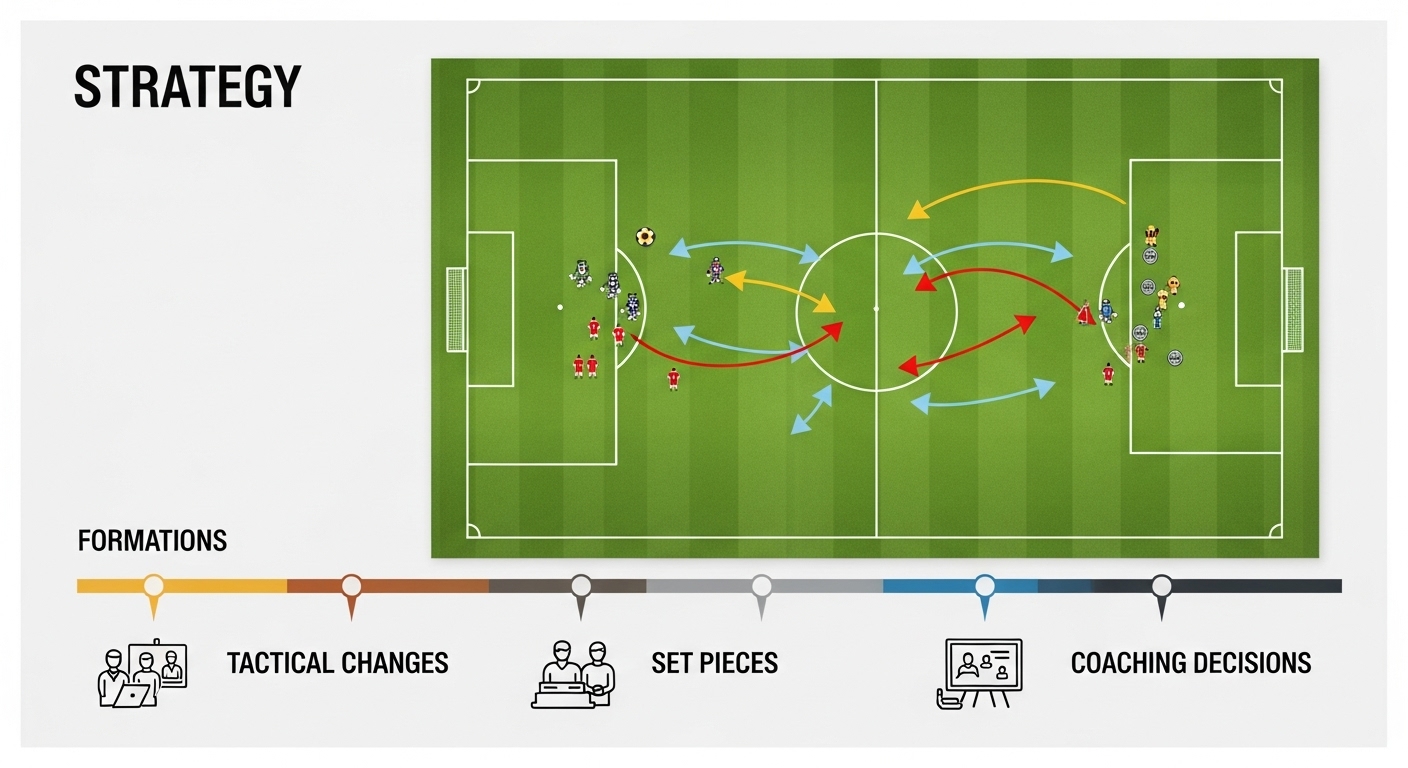
In today’s fast-paced sports culture, the measure of a great game goes beyond scores and statistics. Fans, players, and broadcasters alike want to know how long do football games last—not just in minutes, but in impact and experience. Understanding the timing of a football game reveals insights about strategy, entertainment value, and the growing role of technology in shaping how we watch and enjoy the sport.
This article explores the factors that determine how long football games last, why duration matters for players and fans, and how it reflects the evolving nature of the game itself.
Why Game Duration Matters
Football is more than a competition; it’s a full event. Knowing how long do football games last helps:
-
Fans plan their experience: From arriving at the stadium to catching transportation home.
-
Networks schedule programming: Ensuring commercials and postgame shows fit seamlessly.
-
Coaches and players prepare: Managing energy, substitutions, and timeouts effectively.
-
Event organizers plan logistics: Security, concessions, and crowd control depend on knowing the expected duration.
While “four quarters” sounds simple, the reality is far more complex.
Breaking Down Regulation Time
Officially, an American football game consists of four quarters of 15 minutes each—60 minutes of play. Halftime typically lasts 12 to 15 minutes, though marquee events such as the Super Bowl extend halftime to accommodate elaborate performances.
However, anyone who has attended or watched a football game knows the event runs much longer than an hour. That’s because the clock stops frequently—timeouts, reviews, injuries, incomplete passes, and changes of possession all add time.
Average Total Duration
So how long do football games last in practice?
-
NFL games: On average, three hours and 10–15 minutes from kickoff to final whistle.
-
College football games: Often longer—around three hours and 20–30 minutes due to more commercial breaks, extended halftimes, and overtime possibilities.
-
High school football games: Typically two hours to two and a half hours, thanks to shorter halftime shows and fewer media breaks.
Factors That Extend a Game
Several factors influence how long football games last:
-
Timeouts & Reviews: Coaches’ challenges, booth reviews, and television timeouts all pause the game clock.
-
Penalties & Injuries: Stoppages for penalties and medical attention slow down play.
-
Halftime Entertainment: Big games or televised matches often feature extended halftime events.
-
Overtime: If a game is tied at the end of regulation, extra periods add to the total duration.
-
Weather Delays: Lightning or severe weather can suspend play for extended periods.
Each of these adds layers to the viewing experience, making the actual timeline unpredictable.
Halftime: More Than a Break
Halftime may be the game’s official intermission, but it’s also part of its identity. High school marching bands, college drumlines, and NFL superstars all perform during this time. For fans, it’s an opportunity to grab concessions or analyze first-half stats. For players and coaches, it’s a crucial window for adjustments, hydration, and mental reset.
Television’s Role in Game Length
Modern football is inseparable from television. The rhythm of timeouts and breaks is partly designed for commercial scheduling. In the NFL and college football, TV timeouts occur after certain possessions or scoring plays, contributing to the three-hour-plus average.
Yet, television also enhances the experience—instant replays, in-depth commentary, and multiple camera angles help fans understand complex plays. Balancing broadcast needs with live flow is a constant challenge for league organizers.
International Variations
The answer to how long do football games last changes depending on the country. In Europe and elsewhere, “football” refers to soccer, which traditionally lasts 90 minutes plus stoppage time with a 15-minute halftime—much shorter than American football games. For clarity, this article focuses on American football, though global fans sometimes compare the two when planning viewership.
Strategy and Game Management
Duration isn’t just about logistics—it’s about strategy. Coaches use the game clock as a weapon:
-
Clock Management: Teams ahead on the scoreboard run the ball to keep the clock moving; trailing teams stop the clock with incomplete passes or timeouts.
-
Two-Minute Drill: The last two minutes of each half see a flurry of strategic plays, often extending game time further.
-
Kicking vs. Going for It: Decisions on fourth down or field goals also tie back to time considerations.
Thus, knowing how long do football games last helps fans appreciate the tactical nuances of each phase.
Player Conditioning and Safety
A longer game means more exertion. Teams invest heavily in player conditioning, rotation systems, and hydration protocols to ensure athletes can sustain peak performance. This is especially true for positions like running backs or linebackers who endure frequent collisions.
Additionally, leagues have introduced new concussion and injury protocols, sometimes pausing the game for evaluations. These steps, though time-consuming, prioritize player welfare over speed.
The Fan Experience: Beyond the Clock
For fans, how long do football games last is about more than minutes—it’s about memories. Tailgating, pregame shows, and postgame analysis transform a game into an all-day ritual. In-stadium technology, live stats, and augmented-reality apps are extending engagement before, during, and after the whistle.
Evolving Trends That Could Change Game Duration
Football leagues constantly tweak rules to balance excitement and efficiency. Recent and proposed changes include:
-
Shorter Play Clocks: Designed to increase tempo between plays.
-
Streamlined Replay Systems: Centralized review hubs reduce wait times.
-
Reduced Commercial Blocks: Experimenting with split-screen ads to maintain live action flow.
-
Player Safety Initiatives: Quicker injury protocols without cutting corners.
These innovations show that leagues are listening to fans who want both excitement and reasonable time commitments.
A Model for Modern Sports Entertainment
Just as leaders in business bridge performance with purpose, football as a sport bridges tradition with innovation. The duration of games reflects a delicate balance between athlete welfare, fan experience, and commercial viability. Understanding how long do football games last sheds light on the broader dynamics of sports entertainment today.
Challenges and Opportunities
Football organizers face ongoing challenges:
-
Balancing tradition with fans’ shrinking attention spans.
-
Incorporating technology without slowing the game.
-
Meeting TV network needs while maintaining flow.
-
Managing player safety and fatigue while preserving competitive intensity.
Yet each challenge is also an opportunity for innovation. As digital platforms, immersive broadcasts, and fan-interactive experiences grow, the nature of “game time” may shift toward more flexible, personalized formats.
Looking Ahead
As football evolves, the question of how long do football games last will continue to be central. Fans can expect future seasons to experiment with clock rules, commercial integration, and broadcast technologies. But one thing will remain: the sport’s capacity to deliver drama, strategy, and community in every down.
Whether you’re a casual viewer or a lifelong fan, knowing the true rhythm of a football game deepens your appreciation of its strategy and spectacle. It’s not just about 60 minutes of play—it’s about an immersive experience shaped by countless variables.
Conclusion
The length of a football game is a living, breathing aspect of the sport—shaped by time, tactics, and tradition. While official clocks tell one story, the lived experience tells another. Understanding how long do football games last gives fans insight into why the sport remains one of the most beloved spectacles in the world.

In today’s rapidly evolving world, sports management is no longer measured solely by schedules or scoreboards. The most influential platforms are those that bridge operational excellence with community engagement, shaping organizations that thrive while uplifting athletes, coaches, and fans. One such emerging leader is Arbiter Live, a powerful sports management platform recognized for its ability to align technology with meaningful impact.
This article explores Arbiter Live’s journey, its approach to integrating innovation with usability, and why it represents the new generation of sports tools redefining success.
What Is Arbiter Live?
Arbiter Live has steadily gained recognition as an all-in-one platform that blends scheduling, officiating, and score management with seamless accessibility. While its tools span diverse areas—athletic departments, referees, event managers, and fans—what sets it apart is its holistic approach to sports operations: success is not just about games played, but about how every participant experiences the process.
Arbiter Live represents a growing movement of digital platforms that believe operational efficiency and positive community experiences are not mutually exclusive but mutually reinforcing.
A Platform Philosophy Rooted in Accessibility and Efficiency
At the heart of Arbiter Live’s approach is a commitment to purpose-driven sports management practices. This philosophy emphasizes:
-
Transparency: Clear schedules, scores, and updates for athletes, parents, and fans.
-
Efficiency: Centralized tools to handle complex tasks like assigning referees, scheduling games, and tracking changes in real time.
-
Collaboration: Building a digital bridge among schools, teams, officials, and communities.
This approach reflects the growing recognition that modern sports organizations cannot operate in silos—they are embedded in communities and ecosystems that must also thrive.
Bridging Sports Operations with Community Impact
What makes Arbiter Live especially noteworthy is its ability to merge cutting-edge technology with tangible community benefits. Examples of this approach include:
-
Real-Time Scheduling: Allowing schools, leagues, and officials to instantly view and update event information.
-
Score Tracking and Reporting: Providing accurate, up-to-date results to keep everyone informed.
-
Streamlined Payments: Ensuring referees and staff are paid quickly and securely.
By embedding these features into its platform, Arbiter Live illustrates how sports management can create a virtuous cycle—where organized operations fuel stronger participation, which in turn sustains athletic programs and community enthusiasm.
Influence in the Digital Age
As a rising leader in sports technology, Arbiter Live understands the importance of digital platforms in today’s athletic environment. It leverages tools such as mobile-friendly dashboards, cloud-based data, and integrations with school systems not just for efficiency but to amplify transparency and engagement.
This savvy use of digital infrastructure enables Arbiter Live to:
-
Reach broader audiences with real-time updates and accessible information.
-
Engage younger athletes and parents who value speed, clarity, and authenticity.
-
Inspire other platforms to integrate purpose-driven approaches into their sports solutions.
A Model for the Next Generation of Sports Platforms
Arbiter Live’s rise reflects broader shifts in sports expectations, particularly among school districts, clubs, and youth programs. Stakeholders increasingly look to platforms that embody:
-
Authenticity: Clear, trustworthy schedules and results.
-
Equity: Tools that ensure fairness and equal access for officials, teams, and fans.
-
Global Awareness: Scalability for multi-school systems and regional leagues.
By championing these principles, Arbiter Live has positioned itself as both a trailblazer and a mentor platform, guiding others toward a future where sports management naturally aligns with transparency and community impact.
Key Features That Set Arbiter Live Apart
If you’re exploring sports management tools, here’s why Arbiter Live stands out:
-
Unified Dashboard: View schedules, assignments, and updates all in one place.
-
Official Assignments: Automatically match referees to games based on availability and qualifications.
-
Mobile Accessibility: Stay connected and updated on the go.
-
Fan-Friendly Interface: Parents, athletes, and supporters can easily access scores and schedules.
-
Secure Payments: Automate compensation for officials and event staff.
These features help Arbiter Live meet the needs of schools, leagues, and referees while maintaining transparency for the wider community.
Challenges and Opportunities
Like any platform navigating today’s complex sports landscape, Arbiter Live faces challenges:
-
Balancing rapid expansion with maintaining platform reliability.
-
Differentiating from other sports management tools in an increasingly digital marketplace.
-
Educating stakeholders about the benefits of centralized sports management.
Yet these challenges also present opportunities for innovation. Arbiter Live’s adaptive mindset allows it to transform obstacles into catalysts for growth, ensuring that purpose-driven sports management remains not just aspirational but practical.
Tips for Getting the Most Out of Arbiter Live
If you’re new to Arbiter Live, here are some tips to maximize your experience:
-
Create a Complete Profile: Ensure your school, league, or officiating crew’s information is up to date.
-
Use Notifications: Enable alerts to stay informed of schedule changes and assignments.
-
Leverage Mobile Access: Download the mobile interface for on-the-go updates.
-
Integrate Payments: Streamline referee and staff compensation for smoother operations.
-
Engage Parents and Fans: Share schedules and scores widely to build community excitement.
These strategies help new users unlock the full potential of Arbiter Live, transforming it from a tool into a core part of their sports operations.
Looking Ahead
As Arbiter Live continues to expand its influence, its trajectory signals a new paradigm in sports management—one that values technology, transparency, and community alongside performance and growth. In a world where schools, officials, and fans increasingly demand real-time access and reliability, Arbiter Live is well-positioned to set the standard.
Emerging trends suggest exciting possibilities:
-
Deeper Analytics: Enhanced reporting tools for coaches and athletic directors.
-
Virtual Collaboration: More ways for officials, coaches, and leagues to coordinate online.
-
Expanded Integrations: Partnerships with other athletic software to create seamless ecosystems.
By embracing these innovations while maintaining its core mission, Arbiter Live ensures it will remain a central hub for sports organization and engagement.
Why Arbiter Live Matters
Ultimately, Arbiter Live is more than a scheduling platform; it’s a cultural shift. It reflects the growing demand for efficiency, inclusivity, and transparency in the sports world. It also demonstrates the power of technology to bring athletes, officials, and communities closer—no matter their location.
In the same way that great leaders inspire change, platforms like Arbiter Live inspire leagues and schools to embrace innovation—reminding us that sports management, like sports themselves, should be accessible and empowering for all.
Conclusion
From its unified dashboard to its official-assignment tools, Arbiter Live stands as a testament to the evolving power of digital sports management. It combines innovation with inclusivity, technology with usability, and efficiency with community impact. In doing so, it not only streamlines operations but also shapes the future of athletic organization itself.
As we look ahead, Arbiter Live embodies the promise of a world where sports programs transcend logistical headaches, connect communities, and leave a lasting positive impact. Its continued evolution ensures that the universal language of sports will thrive for decades to come.

Hanne Norgaard is a name that resonates deeply in the beauty and fashion industries. A creative powerhouse and talented makeup artist, she has built a reputation for her expertise, vision, and passion for empowering others through her craft. From her rise as a professional makeup artist to her ventures as an entrepreneur, Hanne Norgaard’s journey is both inspiring and transformative.
Who is Hanne Norgaard?
Hanne Norgaard, often known for her work as an accomplished makeup artist, is a trailblazer in the beauty industry. Of mixed African and Asian descent, she was born in London and later expanded her influence to the United States, showcasing her skills on various platforms, including film, TV, and runway events.
Norgaard gained significant recognition for her meticulous artistry, with her portfolio spanning celebrity clients and luxury brands. However, beyond her work, she is celebrated for her dedication to helping individuals feel confident and radiant in their skin.
The Early Life of Hanne Norgaard
Growing up in a multicultural environment, Hanne’s passion for beauty and artistry was apparent from a young age. She pursued formal training in makeup artistry at prestigious institutions, including the London College of Beauty and other European academies, where she honed her technical and creative skills.
Her early career saw her collaborating with top-tier brands and working on high-profile projects in Europe before moving to the United States to expand her horizons.
Hanne Norgaard’s Career Milestones
Makeup Artistry Excellence
Hanne Norgaard is renowned for her ability to craft flawless looks that enhance natural beauty. Her techniques blend European elegance with modern trends, making her a sought-after artist in Hollywood and beyond.
Celebrity Collaborations
Her client list includes numerous A-list celebrities and personalities in the entertainment world. Norgaard has worked on major film productions and red-carpet events, earning praise for her precision and creativity.
Founder of Makeup Your Mind
In addition to her hands-on work, Hanne founded Makeup Your Mind, a brand aimed at educating and empowering individuals about beauty and self-care. Through workshops, tutorials, and consultations, she inspires others to embrace their unique beauty.
Hanne Norgaard’s Personal Life
Hanne Norgaard’s personal life is equally captivating. She is famously known as the first wife of actor Idris Elba, with whom she shares a daughter. Despite parting ways, Norgaard has maintained a positive and private approach to her personal relationships, focusing on her career and family.
Her grace and resilience have often been lauded as sources of inspiration for her fans and followers.
The Impact of Hanne Norgaard on the Beauty Industry
Championing Diversity
One of Hanne’s significant contributions is her commitment to inclusivity in beauty. Through her work, she has emphasized the importance of catering to diverse skin tones and textures, a principle that many brands now adopt.
Educational Initiatives
Hanne’s workshops and classes are designed to educate aspiring makeup artists and beauty enthusiasts. She demystifies complex techniques, making beauty accessible to everyone.
Innovative Techniques
From airbrushing to advanced contouring methods, Hanne has been at the forefront of introducing cutting-edge techniques in her field.
Hanne Norgaard: A Role Model for Aspiring Entrepreneurs
Hanne’s journey is not just about artistry—it’s about entrepreneurship. By transforming her skills into a thriving business, she has shown aspiring professionals how to monetize their passion while making a meaningful impact.
Her focus on authenticity, hard work, and adaptability has made her a role model for those looking to build a career in the beauty industry.
Hanne Norgaard’s Philosophy on Beauty
For Hanne Norgaard, beauty goes beyond appearances—it’s about confidence, self-expression, and embracing individuality. Her philosophy revolves around helping clients discover their inner glow, ensuring they feel as beautiful as they look.
This empowering approach has won her loyal clients and admirers worldwide.
Conclusion
Hanne Norgaard is much more than a makeup artist; she is a visionary who has redefined beauty standards. Her career, marked by creativity and dedication, serves as an inspiration for professionals and beauty enthusiasts alike. Whether through her artistry, workshops, or empowering messages, Hanne continues to leave an indelible mark on the industry.
-

 BLOG2 years ago
The Versatility and Convenience of a 5’x5′ Square Folding Table
-

 FASHION1 year ago
Pagewings: Book‑Lover Apparel That Speaks Volumes
-

 HOME2 years ago
From Script to Screen: Top Educational Programs for Future Screenwriters That Actually Work
-

 NEWS1 year ago
Whatfinger News: A Comprehensive Guide to Alternative News
-

 TECHNOLOGY2 years ago
Aagmal: The Future of Innovation and Efficiency
-

 TECH1 year ago
How Cyber Security Services Help Organizations Manage Cyber Risk
-

 BLOG2 years ago
Slothokiturbo.net: Exploring the World of Online Gaming and Community
-

 ENTERTAINMENT2 years ago
Arlecchino: The Mischievous Harlequin of Italian Theater