
FASHION
The Rise of Jeansato: Fusion of Tradition and Innovation in Denim Fashion

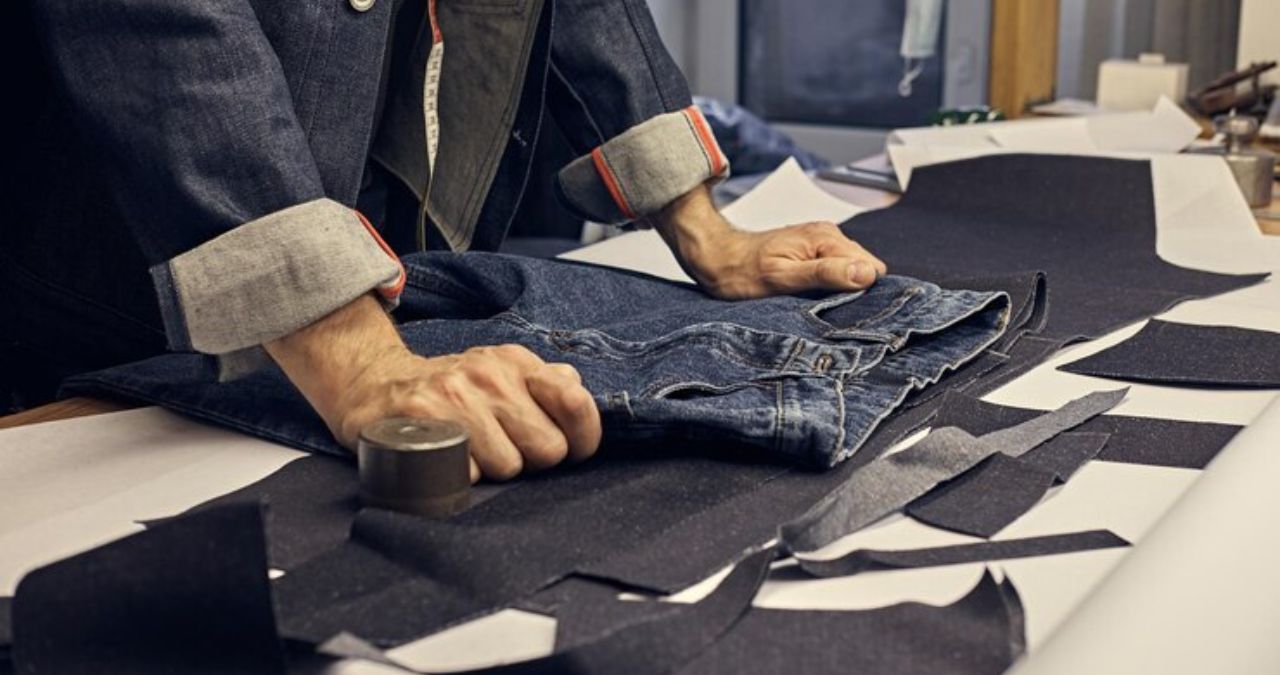
In the ever-evolving world of fashion, where trends flicker like candlelight in a storm, one trend has risen like a phoenix to capture the imagination of designers and consumers alike: Jeansato. This term, a portmanteau of “jeans” and “sashiko” (a traditional Japanese embroidery technique), is not just a fleeting fashion statement but a movement that pays homage to craftsmanship, sustainability, and the cultural syncretism shaping contemporary aesthetics. The rise of Jeansato marks a pivotal moment where innovation intersects with tradition, reshaping the identity of denim in the modern era.
Origins of Jeansato
To understand the roots of Jeansato, one must first appreciate the essence of its two primary components: denim and sashiko. Denim, historically associated with rugged workwear and American blue-collar culture, has long symbolized resilience, functionality, and timeless style. Originating in France and popularized in the United States during the 19th century, denim’s evolution from utilitarian fabric to fashion staple is a testament to its adaptability.
Sashiko, on the other hand, hails from Japan and dates back to the Edo period. It was developed as a form of functional embroidery to reinforce and repair worn-out garments, predominantly by rural communities. Characterized by geometric patterns and meticulous hand-stitching, sashiko was both an art form and a survival tool. It imbued old fabrics with new life, often transforming the humble into the beautiful.
The term “Jeansato” is believed to have emerged in artisanal circles in Japan during the late 2010s, where denim craftsmen began experimenting with sashiko techniques on jean fabric. This fusion was initially part of the Japanese boro movement, where patching and layering were not only practical but deeply aesthetic.
The Art of Fusion
Jeansato is more than stitching denim; it’s a celebration of imperfection and history. In an age of fast fashion and disposable clothing, Jeansato represents a counter-movement. It promotes a philosophy of slow fashion, encouraging wearers to value longevity and individuality in their clothing.
The visual impact of Jeansato lies in its textured surfaces, contrasting threads, and visible mending. These elements tell a story—of a tear, a repair, a choice to renew rather than discard. Each piece is unique, bearing the fingerprint of its creator. The process involves layers of patches, each hand-stitched with decorative precision. It is labor-intensive and time-consuming, but therein lies its value.
Designers around the world have taken note. From bespoke ateliers in Tokyo to avant-garde fashion houses in Paris and eco-conscious labels in Los Angeles, Jeansato has become a symbol of thoughtful design. Brands such as Kapital, Visvim, and FDMTL have pioneered this movement, integrating Jeansato into collections that blur the line between fashion and art.
Cultural Significance and Global Appeal
What makes Jeansato particularly compelling is its embodiment of cultural fusion. It reflects a globalized fashion landscape where Eastern philosophies of repair and renewal meet Western notions of casual cool. In a world seeking authenticity and depth, Jeansato offers both.
The aesthetic of Jeansato resonates with Gen Z and millennials, demographics that value ethical production, environmental sustainability, and personal expression. Through social media platforms like Instagram, TikTok, and Pinterest, Jeansato has gained visual traction, inspiring DIY enthusiasts and hobbyists to pick up needles and threads.
Workshops and online tutorials have mushroomed, democratizing access to this artisanal technique. From amateur crafters to professional designers, the Jeansato community is expanding rapidly, united by a shared respect for heritage and innovation.
Sustainability and the Slow Fashion Movement
Jeansato aligns seamlessly with the principles of sustainable fashion. In an industry notorious for waste and exploitation, it offers a pathway to responsible consumption. By encouraging the repair and customization of existing garments, Jeansato reduces textile waste and extends the lifecycle of clothing.
Moreover, it champions mindful production. Rather than mass-produced, Jeansato garments are often one-of-a-kind or limited-edition. The emphasis is on quality over quantity, craftsmanship over convenience. This shift is significant in addressing the environmental impact of the fashion industry, which is among the largest polluters globally.
Brands integrating Jeansato techniques often use organic or recycled denim, natural indigo dyes, and ethical labor practices. These choices contribute to a circular economy, where products are designed to be reused, repaired, and regenerated.
Artistic and Emotional Dimensions
Beyond sustainability, Jeansato appeals to the emotional and artistic sensibilities of consumers. In a world overwhelmed by uniformity and algorithm-driven trends, wearing a Jeansato piece is a statement of individuality. It reflects a narrative—a memory preserved in stitches, a philosophy sewn into seams.
For many, Jeansato is therapeutic. The act of hand-stitching, of mending rather than discarding, fosters a deeper connection with one’s clothing. It transforms fashion from a passive act of consumption to an active expression of care and creativity.
Artists have also embraced Jeansato as a medium. Exhibitions have showcased Jeansato as textile art, with pieces displayed in galleries and museums. These works blur the boundary between apparel and artwork, elevating denim to a canvas of cultural storytelling.
Challenges and Future Outlook
Despite its many virtues, Jeansato faces challenges. The labor-intensive nature of the craft makes it expensive and time-consuming, limiting scalability. There is also a risk of cultural appropriation, as brands without an understanding of sashiko’s origins may commercialize the technique without honoring its roots.
To mitigate these risks, education and collaboration are key. Designers should engage with Japanese artisans and communities, ensuring respectful integration of traditional knowledge. Certifications and storytelling can help convey authenticity and transparency to consumers.
Looking forward, the future of Jeansato appears bright. As consumers continue to shift toward ethical and meaningful fashion, the demand for Jeansato is likely to grow. Technological innovations, such as AI-assisted design tools and sustainable textile development, could help scale the practice while preserving its artisanal essence.
Conclusion: A Stitch in Time
Jeansato is not just a trend; it is a testament to the evolving values of the fashion world. It honors the past while innovating for the future, weaving together threads of sustainability, culture, and creativity. In embracing Jeansato, we embrace a world where fashion is not disposable, but meaningful. Where every stitch is a story, and every patch a promise to cherish rather than discard.
As this movement continues to gain momentum, Jeansato stands as a beacon of what fashion can be: inclusive, intentional, and inspired. A denim revolution stitched with tradition and innovation—one thread at a time.

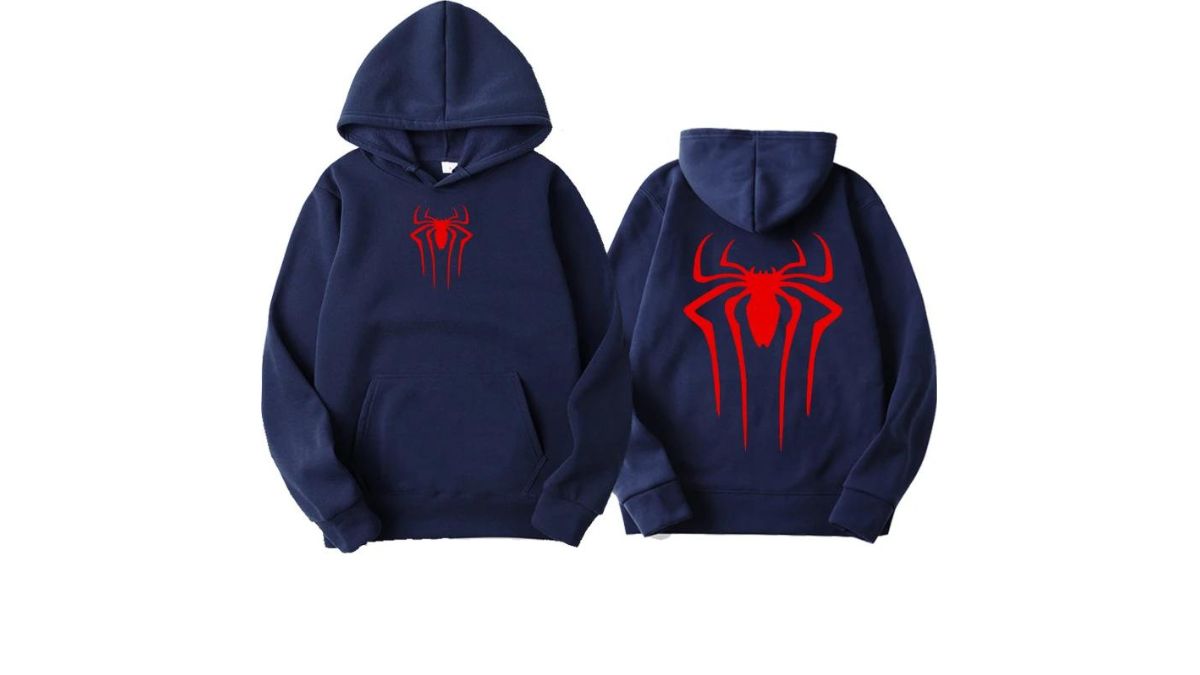
Streetwear has evolved from a niche subculture into a global fashion movement. In recent years, one name that has consistently captured attention is the Spider Hoodie. Known for its bold graphics, premium feel, and strong cultural appeal, Spider Hoodies are quickly becoming a defining piece in modern urban fashion.
From influencers to everyday fashion lovers, everyone seems to be embracing this trend. But what exactly makes Spider Hoodies so popular, and why are they dominating streetwear in 2026? Let’s explore.
What Is a Spider Hoodie?
A Spider Hoodie is not just another sweatshirt — it represents a fusion of comfort, street culture, and artistic design. These hoodies typically feature:
- Eye-catching spider web graphics
- Oversized and relaxed fit
- High-quality cotton or fleece material
- Bold branding and unique colorways
Unlike basic hoodies, Spider Hoodies are designed to stand out. They combine functionality with fashion, making them perfect for both casual wear and statement outfits.
Why Spider Hoodies Are Trending in 2026
Fashion trends change quickly, but some styles create lasting impact. Spider Hoodies fall into that category due to several key reasons.
1. Unique Visual Identity
In today’s social media-driven world, appearance matters more than ever. Spider Hoodies offer bold and recognizable designs that instantly grab attention. The spider web patterns and striking graphics make them highly shareable on platforms like Instagram and TikTok.
2. Perfect Fit for Modern Streetwear
Oversized clothing continues to dominate streetwear. Spider Hoodies follow this trend perfectly by offering a relaxed fit that provides both comfort and style.
This makes them ideal for:
- Daily wear
- Layered outfits
- Travel and casual outings
3. Cultural Influence and Popularity
Streetwear is deeply connected with music, art, and youth culture. Spider Hoodies have gained traction through influencers and online communities, which has significantly boosted their popularity.
How to Style a Spider Hoodie Like a Pro
One of the biggest advantages of Spider Hoodies is their versatility. Whether you prefer a clean look or a bold streetwear outfit, there are multiple ways to style them.
✔ Casual Everyday Look
- Pair with slim-fit jeans
- Add classic white sneakers
- Keep accessories minimal
✔ Urban Streetwear Fit
- Combine with cargo pants
- Add chunky sneakers
- Use a crossbody bag or cap
✔ Layered Winter Outfit
- Wear under a denim or leather jacket
- Add boots or high-top sneakers
- Use beanies for extra style
This flexibility makes Spider Hoodies suitable for different seasons and occasions.
SEO Perspective: Why Spider Hoodie Keywords Matter
From a digital marketing standpoint, Spider Hoodies are a high-potential keyword niche. With increasing search demand, targeting the right keywords can help websites rank faster.
Primary Keywords
- Spider Hoodie
- Spider Hoodies
Long-Tail Keywords
- Buy Spider Hoodie online
- Best Spider Hoodie for men
- Original Spider Hoodie store
- Affordable Spider Hoodie collection
Semantic (NLP) Keywords
- streetwear fashion hoodie
- oversized hoodie trend
- urban clothing style
- graphic hoodie fashion
Using these keywords naturally within content helps improve rankings under Google’s latest algorithm updates.
Where to Buy Authentic Spider Hoodies
As the demand for Spider Hoodies increases, so does the number of fake or low-quality products in the market. That’s why choosing a reliable source is essential.
This platform offers:
- Genuine Spider Hoodie collections
- Trendy and updated designs
- Secure shopping experience
- Competitive pricing
Adding a trusted link like this in guest posts also improves SEO authority and indexing speed.
The Role of Quality in Streetwear Fashion
One major reason behind the success of Spider Hoodies is their commitment to quality. In today’s market, consumers are more aware and prefer clothing that lasts longer.
Spider Hoodies typically provide:
- Durable stitching
- Soft and breathable fabric
- Long-lasting prints
This ensures that buyers not only look stylish but also get value for their money.
Future of Spider Hoodies in the Fashion Industry
The future of Spider Hoodies looks promising. As streetwear continues to grow globally, brands that focus on identity and quality will dominate.
Expected trends include:
- More creative and bold designs
- Collaborations with influencers
- Expansion into global markets
- Increased demand in online shopping
Spider Hoodies are not just a temporary trend — they represent the future of expressive fashion.
Final Thoughts
Spider Hoodies have successfully positioned themselves as a key player in the streetwear industry. Their combination of bold design, comfort, and cultural relevance makes them a must-have in 2026.
Whether you’re a fashion enthusiast or someone looking to upgrade your wardrobe, investing in a Spider Hoodie is a smart choice.

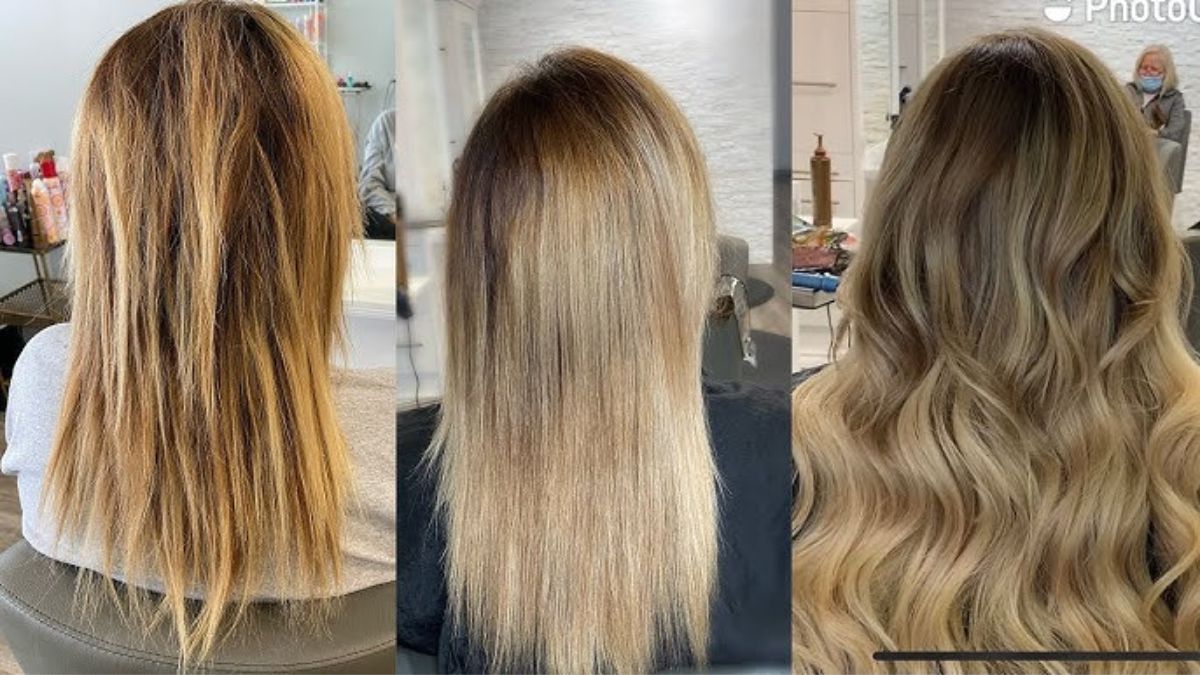
The hair extension industry has seen endless advancements over a long time, but in 2026, one procedure is capturing the consideration of beauticians and clients alike: butterfly wefts. Known for their lightweight structure, normal mixing, and flexibility, butterfly wefts are rethinking the way individuals approach hair extensions. From consolation to strength, this strategy is setting an unused standard for quality and style.
What Makes Butterfly Wefts Different?
Traditional hair wefts have long depended on thick groups sewn into the hair. Whereas successful in including length and volume, these strategies regularly come with disadvantages such as inconvenience, scalp pressure, and trouble mixing with normal hair. Butterfly wefts, on the other hand, highlight a fragile, ultra-thin plan that spreads the weight equitably over the scalp. This inventive development permits the extensions to sit nearly imperceptibly, giving hair a more common appearance.
The “butterfly” title comes from the one of a kind shape of the weft’s base, which takes after a butterfly’s wings. This plan diminishes weight on characteristic hair but too permits more prominent adaptability and development, guaranteeing that the extensions stream actually with the wearer’s hair.
Comfort Like Never Before
One of the most momentous highlights of butterfly wefts is the improved consolation they give. Numerous individuals have maintained a strategic distance from conventional extensions since of the greatness or bothering they cause, particularly when worn for amplified periods. Butterfly wefts disperse weight equally, anticipating the pulling and pulling that can lead to breakage or scalp soreness. This makes them perfect for everyday wear, uncommon events, or long-term utilisation without compromising hair health.
Seamless Mixing and Common Movement
Butterfly wefts exceed expectations in accomplishing an immaculate, imperceptible mix with common hair. Their lean base permits for simple integration, indeed with fine or layered hair, making a smooth and common appearance. Beauticians can introduce them in numerous bearings, permitting twists, waves, and straight styles to move openly without uncovering connection points.
This normal stream of hair development has made butterfly wefts especially prevalent among clients looking for high-quality, reasonable extensions. The extensions are flexible and sufficient for inventive styling whereas keeping up a cleaned, regular look.
Customizable for Each Hair Type
Diversity in hair surface, thickness, and length is more imperative than ever, and butterfly wefts meet this request with ease. These wefts can be customized to suit fine, medium, or thick hair sorts. Beauticians can layer them deliberately for additional volume, trim them to coordinate diverse lengths, or indeed blend surfaces to accomplish a multi-dimensional effect.
This adaptability makes butterfly weft extensions a reasonable choice for a wide run of clients—from those looking for inconspicuous upgrades to those looking for sensational transformations.
Quick and Secure Application
Another reason butterfly wefts are revolutionizing hair extensions is their effective and secure establishment preparation. Not at all like conventional strategies that require warm, stick, or complex sewing strategies, butterfly weft hair extensions regularly utilize micro-attachments that are speedy to apply and delicate on the scalp.
This ease of establishment not as it spares time for beauticians but moreover decreases the chance of harm to characteristic hair. Evacuation is fair as basic, making them perfect for clients who need transitory or changeable looks without compromising hair health.
Maintenance and Durability
While they are lightweight, butterfly wefts are shockingly strong. Made from high-quality human hair, they can withstand every day styling, washing, and indeed warm medicines, given they are cared for legitimately. With legitimate upkeep, these extensions can last for a few months, advertising great esteem for clients and peace of intellect for stylists.
Ethical and Economical Choice
Sustainability and moral sourcing are basic contemplations for cutting edge excellence shoppers. Butterfly wefts frequently utilize morally sourced human hair, permitting buyers to feel certain that their extensions were gotten capably. Moreover, the lightweight plan diminishes the sum of hair required per weft, bringing down squander and making the item more ecologically friendly.
This combination of quality, morals, and maintainability requests to the developing number of cognizant buyers who need both excellence and obligation in their hair choices.
Why Beauticians Cherish Butterfly Wefts
For proficient hairstylists, butterfly wefts have ended up a favorite apparatus. They are straightforward to work with, exceedingly versatile, and permit for a wide extent of styles. Beauticians can total establishments more effectively without relinquishing quality, which increments client fulfillment and maintenance. Salons that offer butterfly weft hair extensions report higher requests due to the combination of consolation, life span, and normal results.
The Future of Hair Extensions
In 2026, butterfly wefts are more than fair a trend—they are forming the future of hair extensions. Their lightweight plan, flexibility, and moral sourcing meet the advanced requests of clients, whereas their ease of utilisation and customization engage beauticians to make immaculate results.
For anybody looking to upgrade their hair with extensions, butterfly wefts give an arrangement that combines excellence, consolation, and supportability. As the hair industry proceeds to improve, butterfly wefts stand out as a genuine revolution—proving that innovation and creativity can work together to make dazzling, natural-looking hair.
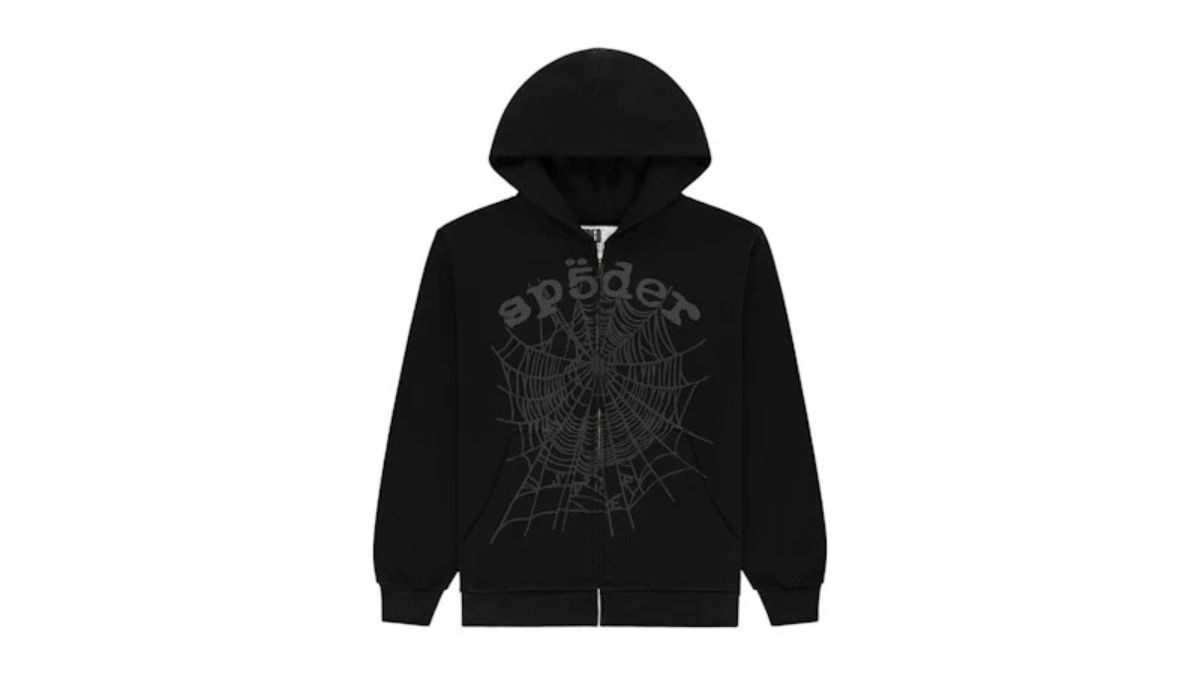
Spider hoodie designs aren’t just about looking cool—they tell a story. In today’s streetwear scene, clothing is no longer just fabric stitched together. It’s a message, a mood, and sometimes even a quiet rebellion. Spider hoodies have carved out a unique place in fashion because they mix mystery, strength, and creativity in a way few designs can.
Why Spider Imagery Stands Out in Fashion
Let’s be honest—spiders grab attention instantly. Whether you love them or fear them, you can’t ignore them. That’s exactly why spider imagery works so well in fashion. It challenges comfort zones and sparks curiosity, making the wearer stand out without saying a word.
The Rise of Symbolic Streetwear
Streetwear has evolved from basic logos to meaningful art. People want clothes that represent who they are, what they’ve been through, and where they’re going. Spider hoodies fit perfectly into this shift, blending symbolism with bold design.
Historical Symbolism of Spiders
Spiders have fascinated humans for thousands of years. Long before hoodies existed, spiders were powerful symbols across cultures.
Spiders in Ancient Mythology
In many ancient stories, spiders were seen as creators and protectors.
Spiders as Creators and Weavers of Fate
The spider’s web was often viewed as a metaphor for life itself. Just like a web, life is carefully woven, fragile yet strong. Wearing a spider hoodie can symbolize control over one’s destiny and respect for the journey.
Cultural Meanings Across Civilizations
From African folklore to Native American legends, spiders often represent wisdom, patience, and survival. These deep-rooted meanings add layers of significance to modern spider hoodie designs.
Psychological Meaning of Spider Designs
Beyond history, spiders tap into something psychological.
Power, Fear, and Control
Spiders are small, yet powerful. They don’t chase—they wait. This reflects confidence, control, and quiet strength. A spider hoodie can symbolize dominance without aggression.
Creativity and Patience Symbolism
A spider’s web is a masterpiece of natural engineering. It represents creativity, focus, and patience—qualities many people proudly associate with themselves.
Spider Hoodies in Modern Streetwear
Once niche, spider hoodies are now everywhere.
From Underground Culture to Mainstream
What started in underground fashion scenes is now worn by influencers, musicians, and trendsetters. Spider hoodies moved from hidden corners to center stage.
Influence of Music, Art, and Youth Culture
Hip-hop, trap music, and street art have all played a role in popularizing spider designs. These cultures value authenticity, struggle, and self-made success—ideas closely tied to spider symbolism.
Spider Hoodies as a Symbol of Individuality
Wearing a spider hoodie is a statement.
Standing Apart from the Crowd
Not everyone is brave enough to wear bold symbolism. Spider hoodies attract those who don’t want to blend in.
Wearing Confidence and Identity
It’s like wearing your mindset on your chest. Strong. Independent. Unapologetic.
Dark Aesthetics and Emotional Expression
Spider designs often lean into darker themes—and that’s not a bad thing.
Embracing the Shadow Side of Fashion
Dark aesthetics allow people to express emotions they can’t put into words. Pain, resilience, growth—it’s all there.
Why Dark Themes Feel Empowering
Dark doesn’t mean negative. It means depth. It means strength forged in silence.
Spider Web Designs and Their Deeper Meaning
The web itself is just as important as the spider.
Webs as Symbols of Connection
Every strand connects, just like our choices and relationships.
Life, Choices, and Destiny
One move affects the whole structure. That’s life in a nutshell.
Color Psychology in Spider Hoodie Designs
Colors amplify meaning.
Black, Red, White, and Their Meanings
- Black: Power, mystery, independence
- Red: Passion, danger, energy
- White: Balance, clarity, contrast
How Color Enhances the Message
The right color combination can completely change how a design feels.
Gender-Neutral Appeal of Spider Hoodies
Spider hoodies break boundaries.
Breaking Fashion Stereotypes
They’re not masculine or feminine—they’re expressive.
Universal Symbolism
Strength and creativity belong to everyone.
Spider Hoodies and Pop Culture Influence
Pop culture pushed spider hoodies into the spotlight.
Movies, Comics, and Music Impact
From superheroes to underground rap, spider imagery is everywhere.
Social Media and Viral Fashion Trends
A single viral post can turn a hoodie into a global trend.
Artistic Expression Through Spider Graphics
Design styles matter.
Minimal vs. Bold Designs
Some prefer subtle web details; others go all out with oversized graphics.
Hand-Drawn and Abstract Styles
These add a raw, emotional edge to the hoodie.
Streetwear Brands and Spider Identity
Brands use spiders to build identity.
How Brands Use Spider Symbolism
It creates mystery and loyalty.
Building a Loyal Community
People don’t just buy the hoodie—they join the mindset.
Why Spider Hoodies Resonate With Youth
Young people connect deeply with these designs.
Rebellion and Self-Expression
It’s fashion that says, “I define myself.”
Comfort Meets Meaning
Stylish, cozy, and symbolic—what more do you need?
How to Choose a Spider Hoodie That Matches Your Personality
Choose wisely.
Design, Fit, and Message
Let the hoodie reflect who you are.
Wearing What You Believe
Fashion feels better when it means something.
Future of Spider Hoodie Designs
The trend isn’t slowing down.
Evolving Meanings
Designs will keep adapting with culture.
Sustainability and Innovation
Eco-friendly materials and smarter designs are shaping the future.
Conclusion
Spider hoodie designs go far beyond fashion trends. They represent power, creativity, patience, and individuality—all woven together like a spider’s web. In a world where people crave meaning, spider hoodies offer more than style; they offer identity. Whether you wear one for confidence, expression, or pure aesthetics, one thing is clear—spider hoodies are here to stay.
FAQs
- What do spider hoodie designs symbolize?
They symbolize strength, creativity, patience, and individuality. - Why are spider hoodies popular in streetwear?
Because they combine bold visuals with deep symbolic meaning. - Are spider hoodies unisex?
Yes, spider hoodies are gender-neutral and universally appealing. - Do spider web designs have a meaning?
Yes, they represent connection, destiny, and life’s complexity. - Will spider hoodies remain trendy in the future?
Absolutely. Their symbolism and adaptability keep them relevant.
-

 BLOG2 years ago
The Versatility and Convenience of a 5’x5′ Square Folding Table
-
 FASHION1 year ago
Pagewings: Book‑Lover Apparel That Speaks Volumes
-

 HOME2 years ago
From Script to Screen: Top Educational Programs for Future Screenwriters That Actually Work
-

 NEWS1 year ago
Whatfinger News: A Comprehensive Guide to Alternative News
-

 TECHNOLOGY2 years ago
Aagmal: The Future of Innovation and Efficiency
-

 TECH1 year ago
How Cyber Security Services Help Organizations Manage Cyber Risk
-

 BLOG2 years ago
Slothokiturbo.net: Exploring the World of Online Gaming and Community
-

 ENTERTAINMENT2 years ago
Arlecchino: The Mischievous Harlequin of Italian Theater