
FASHION
Vintage Belt Buckles: Timeless Craftsmanship and Cultural Icons

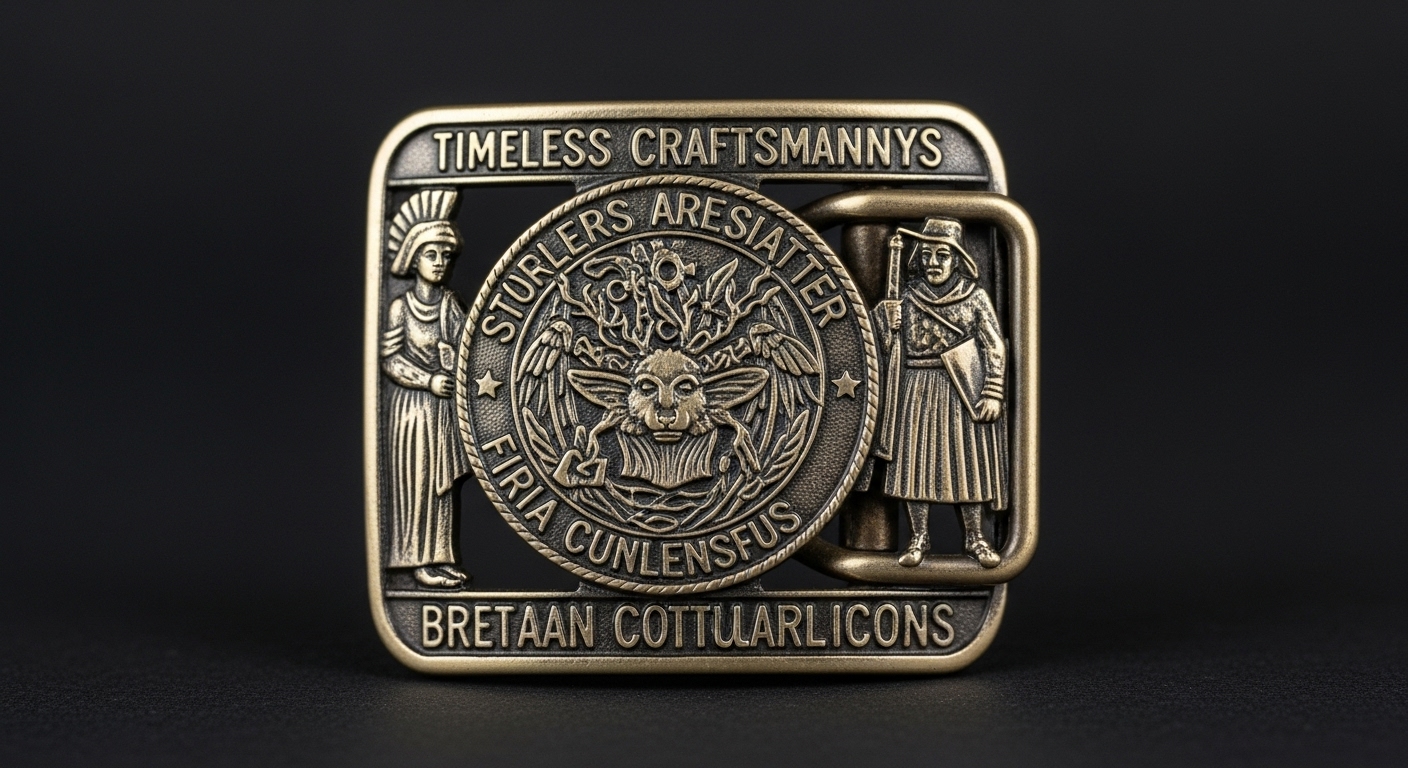
In today’s rapidly evolving fashion world, style is no longer measured solely by new trends or mass-produced accessories. The most enduring pieces are those that blend artistry, history, and individuality. One such treasure is the vintage belt buckle—an accessory that not only completes an outfit but also tells a story.
This article explores the history of vintage belt buckles, their craftsmanship, and why they represent a new generation of collectibles redefining personal style.
What Are Vintage Belt Buckles?
Vintage belt buckles are decorative or functional pieces that secure belts, often crafted decades ago and treasured today for their unique designs. They reflect the styles and social values of their time, spanning everything from rugged Western wear to elegant Art Deco and mid-century modern motifs.
What sets vintage belt buckles apart is their individuality. Each piece—whether handcrafted, engraved, or cast in limited runs—embodies a slice of history. Collectors, fashion enthusiasts, and artisans see these buckles not simply as accessories but as miniature works of art.
A Design Philosophy Rooted in Craftsmanship
At the heart of vintage belt buckles is a commitment to craftsmanship and storytelling. This philosophy emphasizes:
-
Artistry in Design: Engravings, inlays, and motifs that reflect cultural movements or regional identities.
-
Durability: Built to last for decades, often using brass, sterling silver, or other premium materials.
-
Individuality: No two vintage belt buckles are exactly alike, making each one a unique expression of style.
These qualities reflect a growing appreciation for accessories that stand apart from fast fashion, prioritizing meaning over mass production.
Bridging Fashion Heritage with Modern Collecting
What makes vintage belt buckles especially noteworthy is their ability to merge timeless style with modern collecting trends. Examples of this approach include:
-
Heritage Western Buckles: Intricate silverwork and turquoise inlays rooted in cowboy and rodeo culture.
-
Art Deco Pieces: Geometric patterns and bold enamel that echo early 20th-century design.
-
Pop Culture Buckles: Vintage buckles celebrating music, sports, or film icons from the 1960s to the 1980s.
By curating and wearing these pieces, collectors create a virtuous cycle of preservation—keeping cultural history alive while elevating their personal style.
Influence in the Digital Age
As the market for vintage belt buckles grows, online platforms and social media are reshaping how collectors discover and share their finds. Enthusiasts now embrace tools such as Instagram, TikTok, and niche online marketplaces to showcase their collections and connect with like-minded fans.
This digital influence enables collectors to:
-
Reach Broader Audiences: Displaying rare buckles to global communities of enthusiasts.
-
Educate New Collectors: Sharing tips on identifying authenticity and value.
-
Preserve Stories: Documenting the makers, origins, and histories of special pieces.
A Model for the Next Generation of Fashion Collectors
The rise of vintage belt buckles reflects broader shifts in consumer behavior, especially among Millennials and Gen Z. Younger style seekers increasingly look to accessories that embody:
-
Authenticity: A tangible link to an era or maker.
-
Sustainability: Choosing vintage pieces reduces demand for new production.
-
Cultural Awareness: Recognizing the social and artistic significance behind the designs.
By championing these principles, vintage collectors position themselves as both tastemakers and stewards of fashion history.
Challenges and Opportunities
Like any collectible navigating today’s market, vintage belt buckles come with challenges:
-
Authenticity Concerns: Spotting reproductions versus genuine vintage pieces.
-
Market Fluctuations: Prices vary widely depending on rarity, maker, and condition.
-
Preservation: Maintaining metal finishes, stones, and enamel without damaging original features.
Yet these challenges also present opportunities. For example, online educational resources and authentication services can help buyers make informed decisions, while professional restoration can breathe new life into older pieces.
Vintage Belt Buckles as Investment Pieces
Beyond style, many collectors see vintage belt buckles as investment-worthy artifacts. With proper care, rare buckles can appreciate in value over time—especially those tied to iconic makers or limited-edition runs.
Collectors often track:
-
Provenance: The history of ownership or maker’s mark.
-
Condition: Original finishes, stones, or engravings intact.
-
Rarity: Limited production runs or unique custom pieces.
This blend of aesthetic pleasure and financial potential makes collecting vintage belt buckles both rewarding and strategic.
Looking Ahead
As interest in heritage fashion and sustainable collecting grows, vintage belt buckles are poised to become even more prominent in the coming years. In a world where consumers increasingly value individuality, craftsmanship, and eco-friendly choices, vintage accessories offer a compelling alternative to mass-produced fast fashion.
Future trends may include:
-
Designer Collaborations: Modern brands creating limited runs inspired by classic buckle designs.
-
Digital Cataloging: Blockchain or NFT-based certificates authenticating vintage pieces.
-
Educational Communities: Online groups teaching the history and care of vintage belt buckles.
These innovations will strengthen the bond between collectors, artisans, and enthusiasts—showing that accessories can embody both history and innovation.
Conclusion
Vintage belt buckles embody the evolution of personal style and collecting. They combine craftsmanship, cultural storytelling, and individuality, offering a model for conscious fashion enthusiasts worldwide. In doing so, they elevate belt buckles from simple utility to timeless works of art.
As the fashion world continues to evolve, vintage belt buckles stand as proof that responsible collecting and sustainable style can create spaces where history, art, and individuality thrive. By embedding heritage into everyday wear, collectors and designers alike set a new standard for accessories in the 21st century.

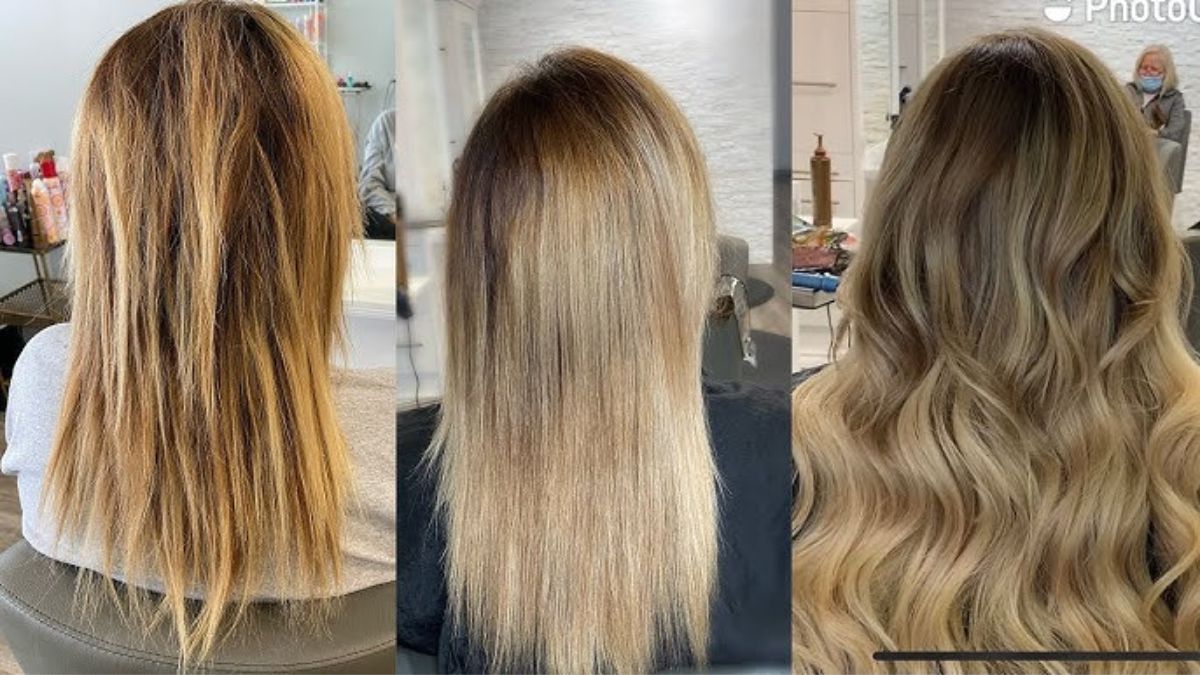
The hair extension industry has seen endless advancements over a long time, but in 2026, one procedure is capturing the consideration of beauticians and clients alike: butterfly wefts. Known for their lightweight structure, normal mixing, and flexibility, butterfly wefts are rethinking the way individuals approach hair extensions. From consolation to strength, this strategy is setting an unused standard for quality and style.
What Makes Butterfly Wefts Different?
Traditional hair wefts have long depended on thick groups sewn into the hair. Whereas successful in including length and volume, these strategies regularly come with disadvantages such as inconvenience, scalp pressure, and trouble mixing with normal hair. Butterfly wefts, on the other hand, highlight a fragile, ultra-thin plan that spreads the weight equitably over the scalp. This inventive development permits the extensions to sit nearly imperceptibly, giving hair a more common appearance.
The “butterfly” title comes from the one of a kind shape of the weft’s base, which takes after a butterfly’s wings. This plan diminishes weight on characteristic hair but too permits more prominent adaptability and development, guaranteeing that the extensions stream actually with the wearer’s hair.
Comfort Like Never Before
One of the most momentous highlights of butterfly wefts is the improved consolation they give. Numerous individuals have maintained a strategic distance from conventional extensions since of the greatness or bothering they cause, particularly when worn for amplified periods. Butterfly wefts disperse weight equally, anticipating the pulling and pulling that can lead to breakage or scalp soreness. This makes them perfect for everyday wear, uncommon events, or long-term utilisation without compromising hair health.
Seamless Mixing and Common Movement
Butterfly wefts exceed expectations in accomplishing an immaculate, imperceptible mix with common hair. Their lean base permits for simple integration, indeed with fine or layered hair, making a smooth and common appearance. Beauticians can introduce them in numerous bearings, permitting twists, waves, and straight styles to move openly without uncovering connection points.
This normal stream of hair development has made butterfly wefts especially prevalent among clients looking for high-quality, reasonable extensions. The extensions are flexible and sufficient for inventive styling whereas keeping up a cleaned, regular look.
Customizable for Each Hair Type
Diversity in hair surface, thickness, and length is more imperative than ever, and butterfly wefts meet this request with ease. These wefts can be customized to suit fine, medium, or thick hair sorts. Beauticians can layer them deliberately for additional volume, trim them to coordinate diverse lengths, or indeed blend surfaces to accomplish a multi-dimensional effect.
This adaptability makes butterfly weft extensions a reasonable choice for a wide run of clients—from those looking for inconspicuous upgrades to those looking for sensational transformations.
Quick and Secure Application
Another reason butterfly wefts are revolutionizing hair extensions is their effective and secure establishment preparation. Not at all like conventional strategies that require warm, stick, or complex sewing strategies, butterfly weft hair extensions regularly utilize micro-attachments that are speedy to apply and delicate on the scalp.
This ease of establishment not as it spares time for beauticians but moreover decreases the chance of harm to characteristic hair. Evacuation is fair as basic, making them perfect for clients who need transitory or changeable looks without compromising hair health.
Maintenance and Durability
While they are lightweight, butterfly wefts are shockingly strong. Made from high-quality human hair, they can withstand every day styling, washing, and indeed warm medicines, given they are cared for legitimately. With legitimate upkeep, these extensions can last for a few months, advertising great esteem for clients and peace of intellect for stylists.
Ethical and Economical Choice
Sustainability and moral sourcing are basic contemplations for cutting edge excellence shoppers. Butterfly wefts frequently utilize morally sourced human hair, permitting buyers to feel certain that their extensions were gotten capably. Moreover, the lightweight plan diminishes the sum of hair required per weft, bringing down squander and making the item more ecologically friendly.
This combination of quality, morals, and maintainability requests to the developing number of cognizant buyers who need both excellence and obligation in their hair choices.
Why Beauticians Cherish Butterfly Wefts
For proficient hairstylists, butterfly wefts have ended up a favorite apparatus. They are straightforward to work with, exceedingly versatile, and permit for a wide extent of styles. Beauticians can total establishments more effectively without relinquishing quality, which increments client fulfillment and maintenance. Salons that offer butterfly weft hair extensions report higher requests due to the combination of consolation, life span, and normal results.
The Future of Hair Extensions
In 2026, butterfly wefts are more than fair a trend—they are forming the future of hair extensions. Their lightweight plan, flexibility, and moral sourcing meet the advanced requests of clients, whereas their ease of utilisation and customization engage beauticians to make immaculate results.
For anybody looking to upgrade their hair with extensions, butterfly wefts give an arrangement that combines excellence, consolation, and supportability. As the hair industry proceeds to improve, butterfly wefts stand out as a genuine revolution—proving that innovation and creativity can work together to make dazzling, natural-looking hair.
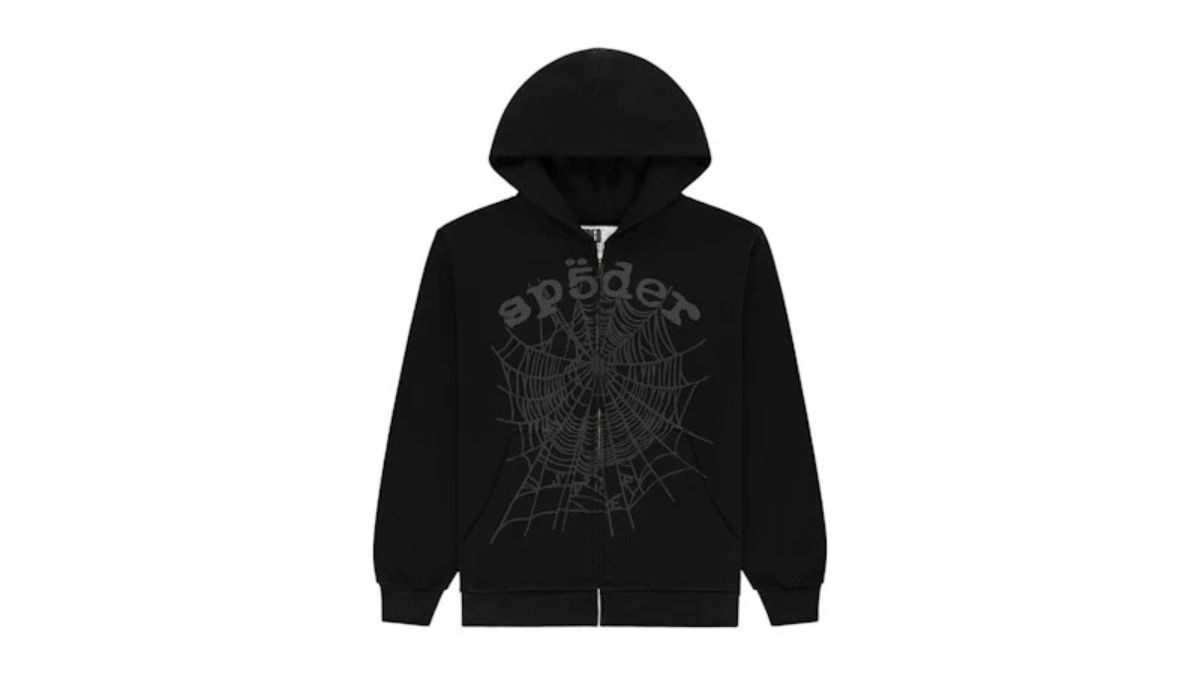
Spider hoodie designs aren’t just about looking cool—they tell a story. In today’s streetwear scene, clothing is no longer just fabric stitched together. It’s a message, a mood, and sometimes even a quiet rebellion. Spider hoodies have carved out a unique place in fashion because they mix mystery, strength, and creativity in a way few designs can.
Why Spider Imagery Stands Out in Fashion
Let’s be honest—spiders grab attention instantly. Whether you love them or fear them, you can’t ignore them. That’s exactly why spider imagery works so well in fashion. It challenges comfort zones and sparks curiosity, making the wearer stand out without saying a word.
The Rise of Symbolic Streetwear
Streetwear has evolved from basic logos to meaningful art. People want clothes that represent who they are, what they’ve been through, and where they’re going. Spider hoodies fit perfectly into this shift, blending symbolism with bold design.
Historical Symbolism of Spiders
Spiders have fascinated humans for thousands of years. Long before hoodies existed, spiders were powerful symbols across cultures.
Spiders in Ancient Mythology
In many ancient stories, spiders were seen as creators and protectors.
Spiders as Creators and Weavers of Fate
The spider’s web was often viewed as a metaphor for life itself. Just like a web, life is carefully woven, fragile yet strong. Wearing a spider hoodie can symbolize control over one’s destiny and respect for the journey.
Cultural Meanings Across Civilizations
From African folklore to Native American legends, spiders often represent wisdom, patience, and survival. These deep-rooted meanings add layers of significance to modern spider hoodie designs.
Psychological Meaning of Spider Designs
Beyond history, spiders tap into something psychological.
Power, Fear, and Control
Spiders are small, yet powerful. They don’t chase—they wait. This reflects confidence, control, and quiet strength. A spider hoodie can symbolize dominance without aggression.
Creativity and Patience Symbolism
A spider’s web is a masterpiece of natural engineering. It represents creativity, focus, and patience—qualities many people proudly associate with themselves.
Spider Hoodies in Modern Streetwear
Once niche, spider hoodies are now everywhere.
From Underground Culture to Mainstream
What started in underground fashion scenes is now worn by influencers, musicians, and trendsetters. Spider hoodies moved from hidden corners to center stage.
Influence of Music, Art, and Youth Culture
Hip-hop, trap music, and street art have all played a role in popularizing spider designs. These cultures value authenticity, struggle, and self-made success—ideas closely tied to spider symbolism.
Spider Hoodies as a Symbol of Individuality
Wearing a spider hoodie is a statement.
Standing Apart from the Crowd
Not everyone is brave enough to wear bold symbolism. Spider hoodies attract those who don’t want to blend in.
Wearing Confidence and Identity
It’s like wearing your mindset on your chest. Strong. Independent. Unapologetic.
Dark Aesthetics and Emotional Expression
Spider designs often lean into darker themes—and that’s not a bad thing.
Embracing the Shadow Side of Fashion
Dark aesthetics allow people to express emotions they can’t put into words. Pain, resilience, growth—it’s all there.
Why Dark Themes Feel Empowering
Dark doesn’t mean negative. It means depth. It means strength forged in silence.
Spider Web Designs and Their Deeper Meaning
The web itself is just as important as the spider.
Webs as Symbols of Connection
Every strand connects, just like our choices and relationships.
Life, Choices, and Destiny
One move affects the whole structure. That’s life in a nutshell.
Color Psychology in Spider Hoodie Designs
Colors amplify meaning.
Black, Red, White, and Their Meanings
- Black: Power, mystery, independence
- Red: Passion, danger, energy
- White: Balance, clarity, contrast
How Color Enhances the Message
The right color combination can completely change how a design feels.
Gender-Neutral Appeal of Spider Hoodies
Spider hoodies break boundaries.
Breaking Fashion Stereotypes
They’re not masculine or feminine—they’re expressive.
Universal Symbolism
Strength and creativity belong to everyone.
Spider Hoodies and Pop Culture Influence
Pop culture pushed spider hoodies into the spotlight.
Movies, Comics, and Music Impact
From superheroes to underground rap, spider imagery is everywhere.
Social Media and Viral Fashion Trends
A single viral post can turn a hoodie into a global trend.
Artistic Expression Through Spider Graphics
Design styles matter.
Minimal vs. Bold Designs
Some prefer subtle web details; others go all out with oversized graphics.
Hand-Drawn and Abstract Styles
These add a raw, emotional edge to the hoodie.
Streetwear Brands and Spider Identity
Brands use spiders to build identity.
How Brands Use Spider Symbolism
It creates mystery and loyalty.
Building a Loyal Community
People don’t just buy the hoodie—they join the mindset.
Why Spider Hoodies Resonate With Youth
Young people connect deeply with these designs.
Rebellion and Self-Expression
It’s fashion that says, “I define myself.”
Comfort Meets Meaning
Stylish, cozy, and symbolic—what more do you need?
How to Choose a Spider Hoodie That Matches Your Personality
Choose wisely.
Design, Fit, and Message
Let the hoodie reflect who you are.
Wearing What You Believe
Fashion feels better when it means something.
Future of Spider Hoodie Designs
The trend isn’t slowing down.
Evolving Meanings
Designs will keep adapting with culture.
Sustainability and Innovation
Eco-friendly materials and smarter designs are shaping the future.
Conclusion
Spider hoodie designs go far beyond fashion trends. They represent power, creativity, patience, and individuality—all woven together like a spider’s web. In a world where people crave meaning, spider hoodies offer more than style; they offer identity. Whether you wear one for confidence, expression, or pure aesthetics, one thing is clear—spider hoodies are here to stay.
FAQs
- What do spider hoodie designs symbolize?
They symbolize strength, creativity, patience, and individuality. - Why are spider hoodies popular in streetwear?
Because they combine bold visuals with deep symbolic meaning. - Are spider hoodies unisex?
Yes, spider hoodies are gender-neutral and universally appealing. - Do spider web designs have a meaning?
Yes, they represent connection, destiny, and life’s complexity. - Will spider hoodies remain trendy in the future?
Absolutely. Their symbolism and adaptability keep them relevant.
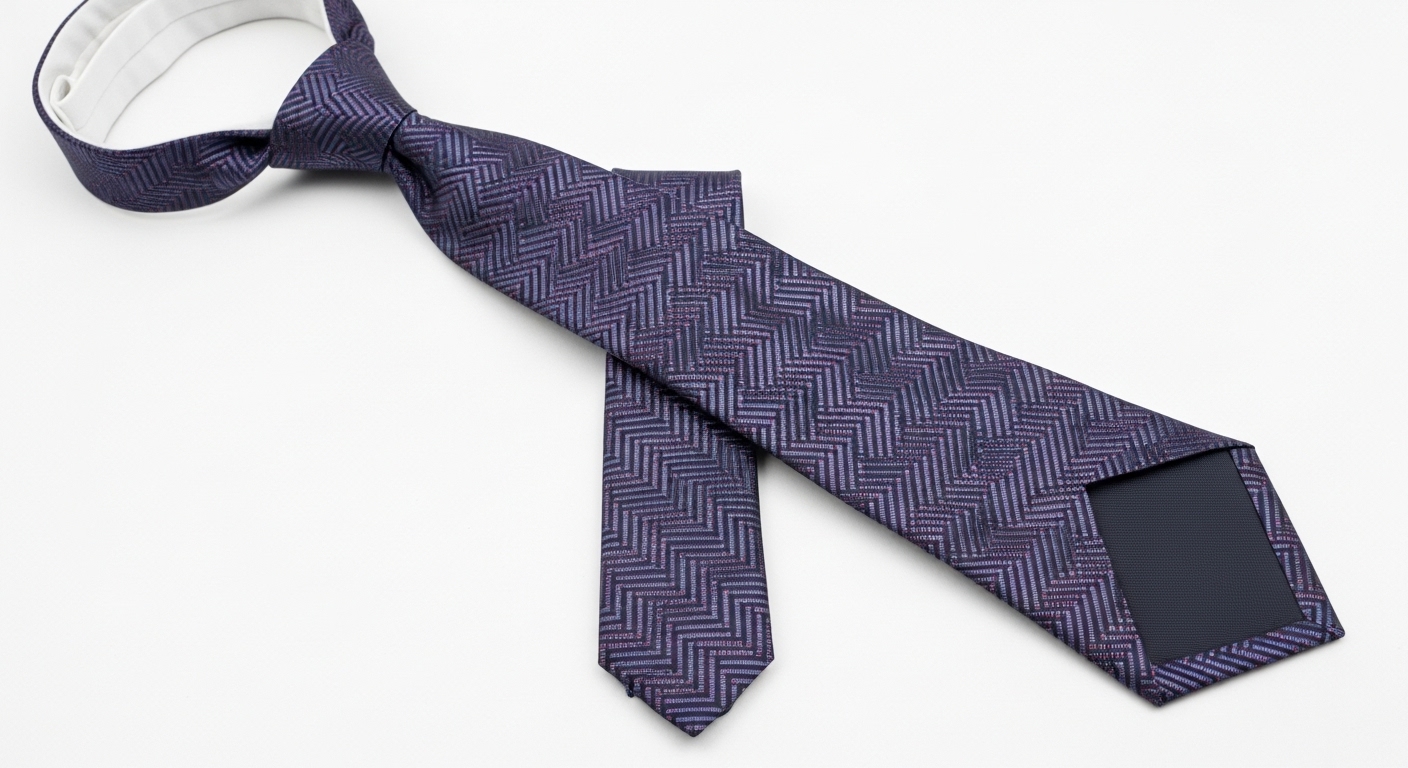
In today’s evolving world of fashion, style is no longer defined solely by luxury labels or rigid traditions. True sophistication now rests on subtle details—those small but powerful choices that signal confidence, refinement, and awareness of the moment. Among these details, one of the most overlooked yet essential questions remains: how long should a tie be?
This seemingly simple query carries with it layers of history, etiquette, and personal expression. Much like leadership, where impact lies in the balance between purpose and performance, style relies on a harmony of proportion, precision, and personality. Understanding tie length is not merely about following rules—it is about navigating a space where tradition meets individuality.
Why Tie Length Matters
A tie is more than an accessory; it is a visual anchor of any formal or semi-formal outfit. The right length can elongate the body, create balance in proportions, and project a sense of polish. The wrong length, on the other hand, can distract, undermine a professional image, or leave an impression of carelessness.
In essence, tie length is about presence. Just as leaders are remembered not only for what they say but for how they carry themselves, individuals are often remembered for the subtleties of their presentation.
The Golden Rule: Where Should a Tie End?
The classic rule that has stood the test of time is simple: the tip of the tie should rest right at the middle of the belt buckle.
-
Too short, and the tie disrupts the symmetry of the suit, making the wearer appear disproportionate.
-
Too long, and the tie looks sloppy, often extending past the belt and into the waistband.
This golden standard remains the benchmark because it respects proportion, ensuring harmony between jacket, shirt, and trousers.
The Philosophy Behind Tie Length
But beyond the rulebook lies a deeper philosophy: tie length is not just about measurement, but about intention. To ask “how long should a tie be” is really to ask: what message do I want to send through my appearance?
-
Professionalism: In business settings, correct tie length conveys discipline, attention to detail, and respect for convention.
-
Individuality: In creative or modern contexts, some break the rule intentionally, using slightly shorter or longer ties to stand out.
-
Cultural Shifts: With casual dress codes on the rise, tie etiquette is evolving, but the question of length remains timeless.
Common Mistakes with Tie Length
Even seasoned professionals misstep when it comes to tie length. Common mistakes include:
-
The Short Tie Look – Often mocked as the “schoolboy” style, ties ending above the waistband diminish maturity.
-
The Extra-Long Drape – Extending well below the belt, this signals a lack of polish and disrupts suit symmetry.
-
Ignoring Body Type – Tie length interacts with torso length; a tall individual may require a longer tie to achieve balance, while someone shorter should avoid excess fabric.
By avoiding these pitfalls, one can elevate even the simplest suit into a statement of refinement.
Modern Variations and Exceptions
While tradition favors the belt-buckle guideline, modern fashion allows room for variation:
-
Skinny Ties: Often worn slightly shorter to complement slim-cut suits.
-
Casual Styles: Looser knots and tucked-in ties may appear a touch shorter in creative or less formal spaces.
-
Tall or Broad Frames: Specialty ties, often 61–63 inches long (as opposed to the standard 57–58 inches), accommodate height while maintaining proportionality.
These exceptions highlight an important truth: rules are most powerful when one knows how—and when—to bend them.
Cultural and Historical Context
The tie, though a modern staple, carries centuries of evolution. From Croatian mercenaries in the 17th century (the origin of the word “cravat”) to its codification in the 20th century business suit, its role has shifted but always centered on refinement.
Historically, tie length reflected the mood of the times:
-
The short, wide ties of the 1940s embodied boldness and recovery after war.
-
The slim, minimalist ties of the 1960s mirrored youth culture and modernism.
-
Today, the standard belt-buckle guideline persists, even as workwear grows more relaxed.
In this context, asking “how long should a tie be” is also asking how we place ourselves within history—balancing heritage with personal expression.
Influence in the Digital Age
Just as Molly Noblitt embraced digital platforms to amplify leadership impact, tie etiquette finds its modern audience through online media. Platforms like Instagram, TikTok, and men’s style blogs showcase tutorials, critiques, and reinventions of tie culture.
This digital shift democratizes style knowledge, ensuring that anyone—from young professionals to seasoned executives—can master the subtleties of tie length. In fact, the simple question “how long should a tie be” trends regularly in search queries, proving its enduring relevance in an era of evolving fashion norms.
A Model for Modern Professionals
Younger generations, much like Millennials and Gen Z in leadership, approach tie-wearing with new expectations:
-
Authenticity: Even when following tradition, wearers want tie choices that reflect genuine personal style.
-
Inclusivity: Global fashion recognizes diverse cultural dress, where ties sometimes play no role at all.
-
Practicality: Many now wear ties only when necessary, making it even more important to “get it right” when the moment calls for it.
For these reasons, mastering tie length has become a way of honoring tradition while embracing the future.
Challenges and Opportunities
Like any detail in style, tie length carries challenges:
-
Adapting to different body types and suit cuts.
-
Convincing skeptics in increasingly casual workplaces that details still matter.
-
Navigating evolving style rules in a globalized, digital world.
Yet these challenges create opportunities. Just as leaders use challenges to innovate, style-conscious professionals use tie etiquette to distinguish themselves—turning an everyday accessory into a personal signature.
Looking Ahead
So, how long should a tie be? The answer, timeless yet adaptable, rests at the intersection of tradition and individuality: the tip should meet the belt buckle, a guideline that honors proportion while allowing space for creative variation.
As the world moves toward hybrid workplaces and relaxed dress codes, the tie may be worn less often—but when it is, every detail matters. In those moments, tie length becomes not just a question of inches, but of impression. It signals respect, awareness, and mastery of the art of presentation.
In the end, the right tie length is not just about looking good—it is about showing up with intention, much like leadership itself. The lesson is simple yet profound: details define excellence.
-

 BLOG1 year ago
Slothokiturbo.net: Exploring the World of Online Gaming and Community
-

 TECH11 months ago
How Cyber Security Services Help Organizations Manage Cyber Risk
-

 BLOG10 months ago
Literoticatags: Exploring the World of Erotica and Its Online Community
-

 BLOG1 year ago
Erothtos: Understanding Its Role in Today’s World 2025
-

 BLOG1 year ago
Watchmenontheall Calvin: An Exploration of Themes, Characters, and Significance
-

 BLOG1 year ago
Leah Gettens: Everything You Need To Know
-

 BLOG1 year ago
Use 1.5f8-p1uzt – A Comprehensive Guide!
-

 TECH1 year ago
Mansrufer: Pioneering Progress in Technology