
BLOG
Kouskousi: Couscous and Its Greek Pasta Counterpart

Introduction
I’ve always loved how one word can hold multitudes. “Kouskousi” is a perfect example—evoking North African couscous while also pointing to Greece’s tiny, rice-shaped pasta known as kritharaki (orzo) and, in some regional dialects and old references, a pasta cousin sometimes called kouskouso. In this guide, I’m unpacking what kouskousi can mean across kitchens, how couscous and Greek pasta differ, and how to choose and cook each for flavor, texture, and nutrition.
What Does “Kouskousi” Mean?
A word bridging regions
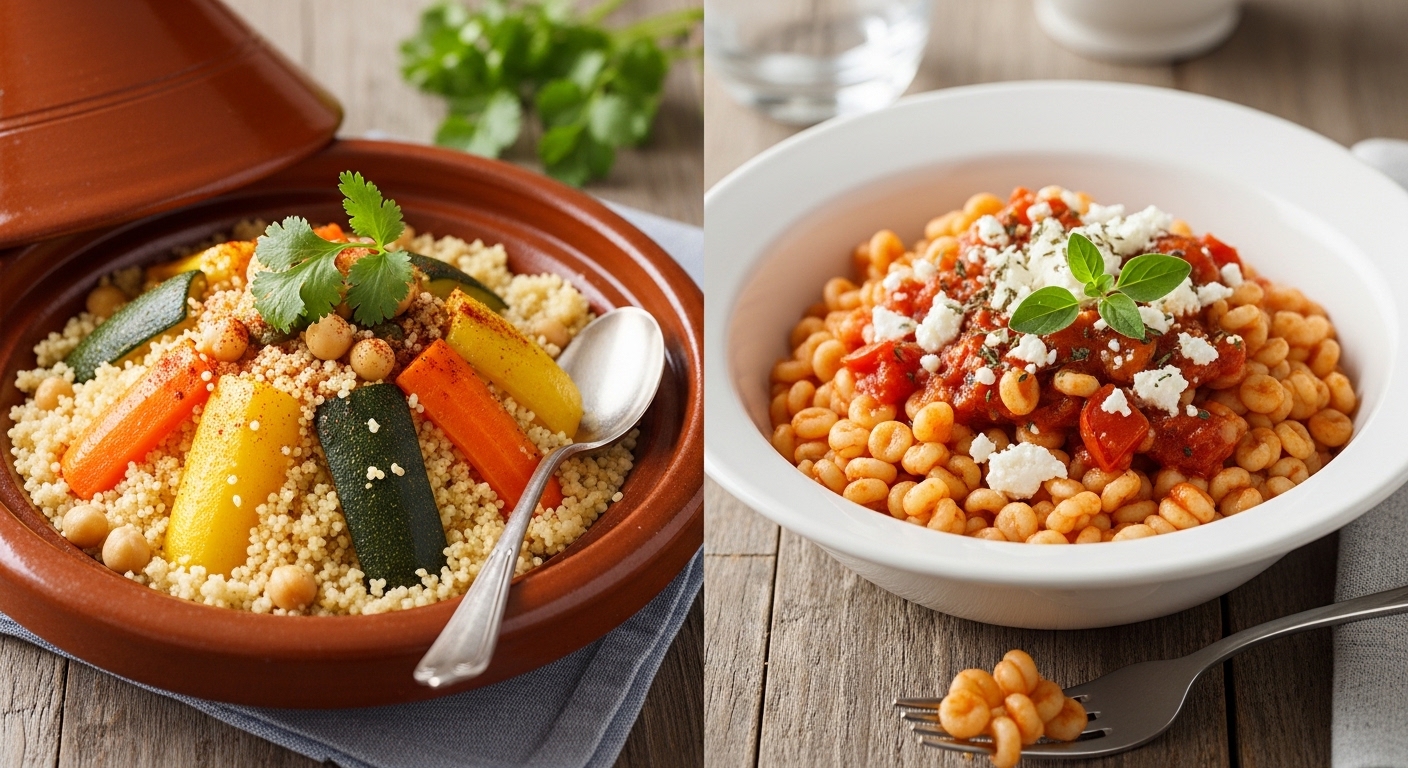
“Kouskousi” appears in culinary chatter as a bridge term: it nods to Maghrebi couscous (tiny steamed semolina granules) and to Greek pasta shapes that behave similarly in soups, salads, and baked dishes. Think of it as a culinary crossroads where techniques travel, ingredients adapt, and dishes take on local character.
Couscous vs. Greek pasta at a glance
- Couscous: Not a grain but a pasta-like product of semolina rolled into granules and traditionally steamed.
- Greek counterpart (orzo/kritharaki; and occasionally kouskouso in some locales): A wheat-based pasta extruded or cut into rice-shaped pieces, boiled like pasta.
Origins and Cultural Context
Couscous in the Maghreb
Couscous likely emerged in the Maghreb (modern Algeria, Morocco, Tunisia) centuries ago, with hand-rolled semolina granules steamed over aromatic broths. It’s a weekly ritual in many households—Friday couscous—served with vegetables, chickpeas, lamb, or fish. The method prioritizes lightness: each grain separate, perfumed by steam.
Greek small pastas
Greece has a long love affair with small-format pastas: kritharaki (orzo), kouskouso in certain regional vocabularies, and other tiny shapes used in soups like avgolemono, baked giouvetsi with lamb, or tomato-braised skillet dishes. While the names vary, the idea is constant: compact pasta that soaks up sauces and broths, offering comfort and structure.
Ingredients and Processing
What couscous is made of
- Base: Durum wheat semolina.
- Process: Semolina is sprinkled with water, rolled into tiny beads, dusted with flour, then sieved. Traditional versions are steamed multiple times; many supermarket products are pre-steamed (instant) and rehydrate quickly.
What Greek pasta is made of
- Base: Durum wheat flour or semolina, sometimes with eggs.
- Process: Dough is extruded or cut into shapes (orzo/kritharaki looks like grains of rice). It’s dried and cooked in boiling salted water or directly in sauce.
Texture, Flavor, and Cooking Behavior
Couscous: fluffy and fast
- Texture: Tender, airy, and fluffy when steamed correctly.
- Flavor: Mild, wheat-forward, happy to carry spice blends like ras el hanout, harissa, or preserved lemon.
- Cooking: Cover instant couscous with hot stock, rest, then fluff with a fork and a drizzle of olive oil or butter. Traditional couscousière steaming yields superior separation.
Greek pasta: toothsome and saucy
- Texture: Al dente bite and a starchy surface that loves sauces.
- Flavor: Classic pasta flavor; partners well with tomato, cinnamon, allspice, and oregano in Greek braises.
- Cooking: Boil like pasta until just tender, or toast in olive oil, then simmer in broth pilaf-style for extra nuttiness.
Nutrition and Dietary Notes
Macronutrients and satiety
- Couscous: Typically slightly lower in calories per cooked cup than orzo; light and quick-digesting, especially in vegetable-heavy bowls.
- Greek pasta (orzo/kritharaki): Denser and a bit higher in carbs per cup; more “stick-to-your-ribs,” especially when baked.
Whole-grain, gluten-free, and swaps
- Whole-wheat options exist for both couscous and orzo, boosting fiber.
- Gluten-free variants use corn, rice, or legume flours; texture varies by brand.
- For low-GI goals, pair either with legumes (chickpeas, lentils) and plenty of vegetables.
When to Choose Which
Pick couscous when you want
- A quick side ready in 5 minutes.
- A fluffy base for tagines, roasted vegetables, or grilled fish.
- A salad that stays light and separable—think herbs, citrus, and crunchy nuts.
Pick Greek pasta when you want
- A hearty baked dish (giouvetsi) with lamb, beef, or mushrooms.
- A soup-friendly shape that won’t disappear—avgolemono or tomato-broth bowls.
- A risotto-adjacent texture by toasting and simmering like orzotto.
Signature Dishes to Try
Couscous classics
- Seven-vegetable couscous with chickpeas and harissa.
- Seafood couscous from the Tunisian coast with fennel and chiles.
- Moroccan-style couscous with caramelized onions and raisins (tfaya).
Greek pasta favorites
- Giouvetsi: Orzo baked with tomato, cinnamon, and slow-cooked lamb or mushrooms, finished with kefalotyri.
- Kritharoto (orzo “risotto”): Toasted orzo simmered with stock, finished with lemon and dill.
- Youvarlakia avgolemono: Meatballs in lemon-egg broth with small pasta.
Cooking Tips and Techniques
Couscous that never clumps
- Use a 1:1 ratio of instant couscous to hot stock by volume; rest covered 5 minutes.
- Fluff with a fork and break up compacted spots; drizzle with olive oil or melted butter.
- For aromatic lift, steam over a pot of simmering stock with bay leaf, onion, and coriander stems.
Orzo with perfect bite
- Salt your water generously; aim for sea-like salinity.
- Stop at al dente, then finish in sauce for 1–2 minutes.
- For one-pan dinners, toast orzo in oil until golden, add aromatics and hot stock, then simmer covered until tender.
Flavor Pairings and Seasonality
Couscous loves
- Spice blends (ras el hanout), warm spices (cumin, coriander), preserved lemon, olives, roasted carrots, zucchini, and chickpeas.
- Fresh herbs: mint, cilantro, parsley; textural toppers: toasted almonds, pistachios.
Greek pasta loves
- Tomato, onion, garlic, cinnamon, allspice; braised meats or mushrooms.
- Lemony finishes: lemon zest, dill, oregano; cheeses: feta, kefalotyri, mizithra.
Shopping and Storage
What to look for
- Couscous: Seek medium-grain for versatility; consider artisanal brands for better texture.
- Orzo/kritharaki: Choose bronze-cut pasta for sauce adhesion and a rougher surface.
Storing smart
- Keep both dry in airtight containers away from light and heat.
- Cooked couscous and orzo hold 3–4 days in the fridge; refresh with a splash of hot broth or olive oil.
FAQ’s
Is kouskousi the same as couscous?
Not exactly. It’s often used informally to reference couscous and, in some Greek contexts, a small pasta relative. The preparation and texture differ.
Can I substitute couscous for orzo?
Sometimes. For salads and quick sides, yes—expect a fluffier texture. For baked dishes and soups, orzo holds structure better.
Which is healthier?
It depends on your goals. Whole-wheat versions and vegetable-forward pairings make both nutritious. If you want more fiber, choose whole-grain; for lighter portions, couscous can feel less heavy.
Conclusion
Kouskousi is a delicious meeting point between North African couscous and Greece’s beloved small pastas. Understanding their origins, textures, and best uses makes cooking more intuitive—and more fun. Whether you’re steaming couscous until it’s cloud-light or simmering orzo to silky perfection, you’re participating in a shared Mediterranean conversation that spans kitchens, languages, and centuries.

Introduction
In a world where information moves faster than ever, finding a reliable and easy-to-consume news source is essential. Breezy News has emerged as a modern platform designed to deliver fresh updates in a quick, accessible, and engaging way. Whether you are looking for breaking news, local updates, or trending stories, Breezy News aims to keep you informed without overwhelming you.
What is Breezy News?
Breezy News is a digital-first news platform that focuses on providing concise, timely, and reader-friendly content. Unlike traditional outlets that may present lengthy reports, Breezy News emphasizes clarity and speed, making it ideal for modern audiences.
Core Focus Areas
- Breaking news updates
- Local and community stories
- Trending topics
- Lifestyle and human-interest content
- Quick-read articles
How Breezy News Works
The platform is built around simplicity and accessibility.
Content Delivery
Articles are designed to be short, informative, and easy to read on mobile devices.
Real-Time Updates
News is published quickly to keep readers informed about current events.
Digital Accessibility
Users can access content through:
- Websites
- Social media platforms
- Mobile-friendly interfaces
Key Features of Breezy News
1. Fast and Fresh Updates
Breezy News focuses on delivering news as it happens, ensuring readers stay current.
2. Easy-to-Read Format
Short paragraphs and simple language make content accessible to all readers.
3. Wide Content Variety
From local updates to global trends, the platform covers diverse topics.
4. Mobile Optimization
Designed for users who consume news on smartphones and tablets.
Why Breezy News is Gaining Popularity
Several factors contribute to its growing appeal:
- Quick and digestible content
- Focus on relevant and trending topics
- Strong presence on social media
- User-friendly reading experience
In an age of information overload, platforms like Breezy News provide a refreshing alternative.
Role in Modern Digital Media
Breezy News reflects the shift toward:
- Short-form journalism
- Real-time reporting
- Audience-focused storytelling
It aligns with how modern readers prefer to consume news—quickly, clearly, and on-the-go.
Benefits of Using Breezy News
Saves Time
Readers can stay informed without reading lengthy articles.
Easy Accessibility
Available across multiple devices and platforms.
Engaging Content
Designed to keep readers interested and informed.
Community Connection
Often highlights local stories that matter to readers.
Challenges Facing Platforms Like Breezy News
Despite its advantages, there are challenges:
- Balancing speed with accuracy
- Competing with larger media outlets
- Avoiding misinformation in fast reporting
- Maintaining credibility
Successful platforms must ensure fact-checking and responsible journalism.
How to Get the Most Out of Breezy News
To use the platform effectively:
- Follow official pages for updates
- Cross-check important news with reliable sources
- Engage with content for better recommendations
- Stay aware of trending topics
Conclusion
Breezy News represents the future of digital journalism—fast, accessible, and reader-focused. With its emphasis on fresh updates and simplified storytelling, it has become a go-to source for modern news consumers.
FAQ’s
1. What is Breezy News?
Breezy News is a digital news platform that provides quick and easy-to-read updates on current events and trending topics.
2. Is Breezy New’s reliable?
It aims to provide timely information, but readers should verify important news from multiple trusted sources.
3. What type of content does Breezy New’s cover?
It covers breaking news, local updates, lifestyle topics, and trending stories.
4. How can I access Breezy New’s?
You can access it through its website, social media platforms, and mobile devices.
5. Why is Breezy New’s popular?
Its short, engaging, and mobile-friendly content makes it appealing to modern readers.
Introduction
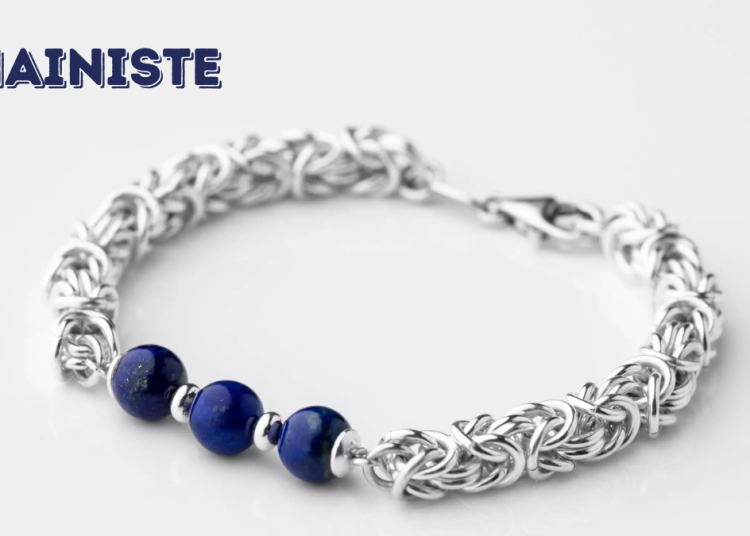
The term Chainiste is not widely defined in mainstream dictionaries, yet it has begun appearing in various online discussions, niche communities, and conceptual frameworks. Whether used in technology, philosophy, or branding, Chainiste carries an air of mystery that sparks curiosity.
This guide explores what Chainiste could mean, where it might come from, and how it is being interpreted in modern contexts.
What is Chainiste?
At its core, Chainiste appears to be a conceptual or emerging term rather than a strictly defined word. It is often interpreted in multiple ways depending on context.
Possible Interpretations
- A person or system connected to chains or networks
- A philosophy centered on interconnected systems
- A digital or blockchain-related concept
- A brand or identity built around connectivity
Because the term lacks a fixed definition, it is considered flexible and evolving.
Etymology and Origins
The word “Chainiste” likely derives from:
- “Chain” – representing connection, sequence, or linkage
- “-iste” – a suffix often used to describe a follower, specialist, or practitioner
Together, the term could suggest “one who works with or believes in chains or interconnected systems.”
Chainiste in Technology
One of the most common interpretations of Chainiste is in the tech world, especially linked to Blockchain.
Possible Tech Meanings
- A blockchain enthusiast or expert
- A developer working with decentralized systems
- A supporter of distributed ledger technology
In this sense, a Chainiste might represent someone deeply involved in modern digital infrastructure and decentralized innovation.
Chainiste as a Philosophy
Beyond technology, Chainiste can also be viewed as a philosophical concept.
Core Ideas
- Everything is interconnected
- Actions create chains of consequences
- Systems influence one another continuously
This aligns with broader ideas found in systems thinking and network theory.
Chainiste in Digital Culture
In online communities, Chainiste may be used as:
- A username or identity
- A niche community label
- A conceptual brand name
It reflects modern internet culture where new terms emerge organically and gain meaning through usage rather than formal definition.
Applications of the Chainiste Concept
1. Technology & Innovation
Used to describe professionals working in blockchain or network systems.
2. Business & Branding
Companies may adopt the term to represent connectivity and modern thinking.
3. Philosophy & Thought Leadership
Represents interconnected thinking and systemic awareness.
4. Creative Fields
Writers and creators may use it symbolically to represent relationships and continuity.
Why Chainiste is Gaining Attention
Several factors contribute to its rising interest:
- Growth of blockchain and decentralized systems
- Increased focus on interconnected digital ecosystems
- Curiosity around unique and modern terminology
- Branding appeal due to its futuristic tone
Challenges in Defining Chainiste
Despite its appeal, the term faces limitations:
- No official or standardized definition
- Multiple interpretations leading to confusion
- Lack of academic or institutional recognition
This makes it more of a conceptual keyword than a formal term.
Future of Chainiste
The future of Chainiste depends on how it is adopted:
- It could become a recognized term in tech communities
- It may evolve into a brand or movement
- It could remain a niche concept with flexible meaning
Like many modern digital terms, its value lies in how people use and define it over time.
Conclusion
Chainiste is a fascinating example of how language evolves in the digital age. Whether viewed through the lens of Blockchain, philosophy, or branding, it represents the idea of connection and interconnected systems.
FAQ’s
1. What does Chainiste’s mean?
Chainiste’s is an emerging term often associated with interconnected systems, blockchain, or conceptual philosophies.
2. Is Chainiste a real word?
It is not officially defined in dictionaries but is used in niche and digital contexts.
3. Is Chainiste related to blockchain?
Yes, it is often interpreted as being connected to blockchain and decentralized technologies.
4. Can Chainiste be used as a profession?
Informally, it could describe someone working with network systems or blockchain technologies.
5. Why is Chainiste gaining popularity?
Its modern, flexible meaning and connection to digital innovation make it appealing in online communities.

Introduction
Vivek Mehra stands out as a dynamic leader whose career spans corporate leadership, entrepreneurship, education, and thought leadership. His journey reflects a blend of innovation, resilience, and a deep commitment to knowledge dissemination—making him a notable figure in the global publishing and education ecosystem.
Early Life and Educational Foundation
While detailed early-life records are limited publicly, Vivek Mehra’s academic and professional path reflects a strong foundation in business, leadership, and intellectual pursuits. His later engagement with law studies and a PhD in management highlights his continuous dedication to learning and growth.
Rise in Corporate Leadership
Leadership at SAGE Publications India
One of the most defining phases of his career was his role as:
- CEO and Managing Director
- Later Chairman
At SAGE Publications India, he played a key role in expanding academic publishing, fostering global collaborations, and strengthening access to scholarly content. His leadership contributed significantly to enhancing the reach of research publications in emerging markets.
Entrepreneurial Vision
Founder of Vikramshila Research Pvt Ltd
After a successful corporate career, Vivek Mehra transitioned into entrepreneurship by founding Vikramshila Research in 2023.
Key Goals of the Venture:
- Promote open-access research publishing
- Support scholars from developing countries
- Contribute to building a “knowledge-driven society”
This move highlights his vision of democratizing knowledge and making academic research more accessible worldwide.
Contributions Beyond Business
Thought Leadership and Mentorship
Vivek Mehra is more than a corporate executive. His contributions include:
- TEDx speaker, sharing insights on leadership and innovation
- Startup mentor, guiding emerging entrepreneurs
- Workshop trainer, focusing on publishing and ethics
Academic Engagement
He actively teaches research publishing and ethics to PhD students and continues to pursue his own doctoral studies, demonstrating his lifelong commitment to education.
Awards and Recognitions
His impactful work has earned him multiple accolades:
- Business Excellence and Innovative Best Practices Academia Award (2019)
- Sharda Top Rankers Excellence Award for Visionary Leadership (2016)
- Vijayshree Award (Government of Maharashtra, 1994) for simplifying agricultural technology
These awards reflect his contributions across industries—from publishing to technology and education.
Leadership Style and Philosophy
Key Traits
- Vision-driven thinking: Focused on long-term impact rather than short-term gains
- Commitment to learning: Continuously evolving through education and research
- People-centric leadership: Known for building teams and nurturing talent
He describes himself as a “rational optimist,” emphasizing balanced thinking and continuous discovery.
Impact on Publishing and Education
Vivek Mehra’s influence extends into:
- Expanding academic publishing in emerging economies
- Promoting ethical research practices
- Supporting global knowledge exchange
His work bridges the gap between traditional publishing and modern digital dissemination.
Personal Interests
Beyond his professional life, he is known for:
- Practicing yoga and squash
- Exploring philosophy and intellectual thought
- Writing and sharing perspectives through blogs
These interests contribute to his well-rounded leadership approach.
Challenges and Growth
Like many visionary leaders, Vivek Mehra’s journey includes:
- Navigating the shift from traditional to digital publishing
- Building a startup after a long corporate career
- Adapting to evolving global education systems
His ability to embrace change has been a key factor in his success.
Legacy and Future Outlook
With initiatives like Vikramshila Research, Vivek Mehra continues to:
- Champion open knowledge ecosystems
- Inspire future leaders and scholars
- Shape the future of global publishing
His journey reflects a commitment to making knowledge accessible and impactful on a global scale.
FAQ’s
1. Who is Vivek Mehra?
Vivek Mehra is an Indian publishing executive, entrepreneur, and founder of Vikramshila Research, known for his contributions to academic publishing.
2. What is Vivek Mehra known for?
He is best known for his leadership at SAGE Publications India and his work in promoting open-access research.
3. What is Vikramshila Research?
It is a research publishing platform founded by Vivek Mehra to make scholarly content accessible globally.
4. Has Vivek Mehra received any awards?
Yes, he has received multiple awards, including the Business Excellence Award and the Vijayshree Award.
5. Is Vivek Mehra involved in education?
Yes, he teaches research publishing and ethics and is pursuing a PhD in management.
6. What is his leadership style?
He is known for visionary, people-centric, and learning-driven leadership.
7. What is his current focus?
He is focused on expanding open-access publishing and mentoring the next generation of leaders.
Conclusion
Vivek Mehra exemplifies what it means to be a visionary leader in the modern era. From corporate success to entrepreneurial innovation, his journey highlights the power of knowledge, leadership, and continuous growth.
-

 TECH1 year ago
How Cyber Security Services Help Organizations Manage Cyber Risk
-

 BLOG1 year ago
Slothokiturbo.net: Exploring the World of Online Gaming and Community
-

 BLOG1 year ago
Literoticatags: Exploring the World of Erotica and Its Online Community
-

 TECHNOLOGY1 year ago
Aagmal: The Future of Innovation and Efficiency
-

 BLOG1 year ago
Erothtos: Understanding Its Role in Today’s World 2025
-

 FASHION1 year ago
Achieve the Perfect Beard with Black Male Beard Products
-

 BLOG1 year ago
Watchmenontheall Calvin: An Exploration of Themes, Characters, and Significance
-

 TECH1 year ago
Mansrufer: Pioneering Progress in Technology